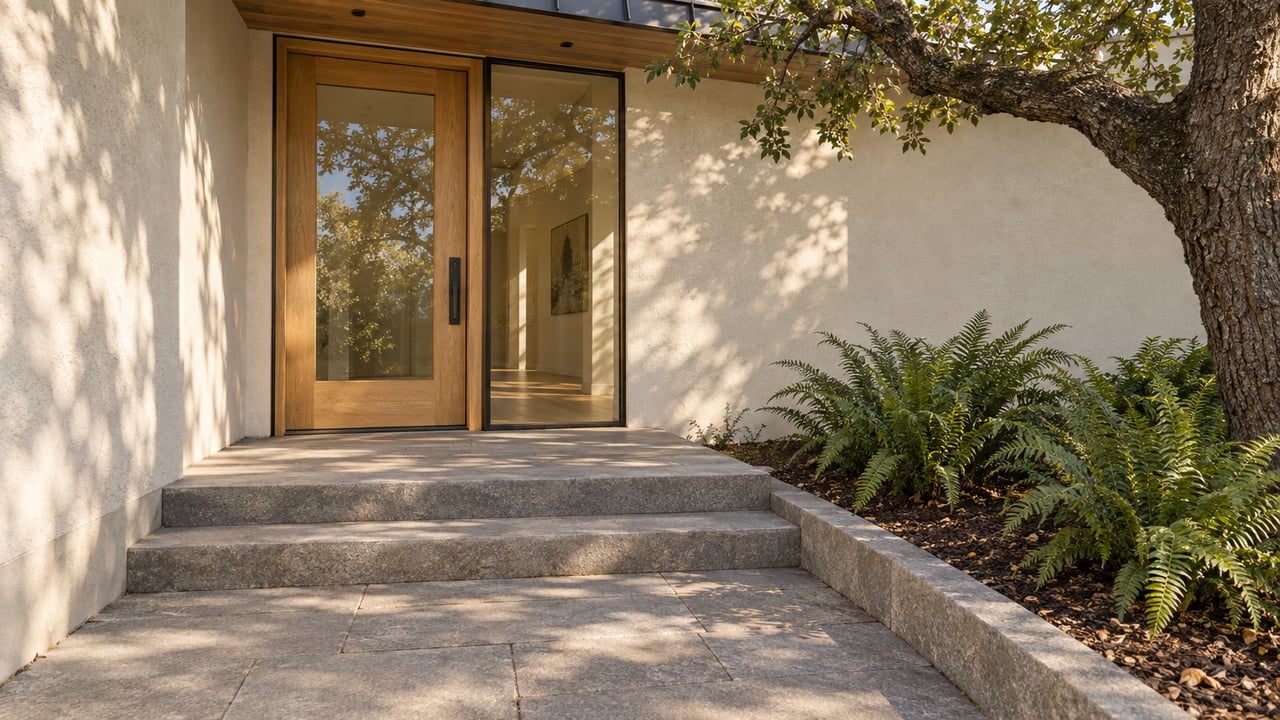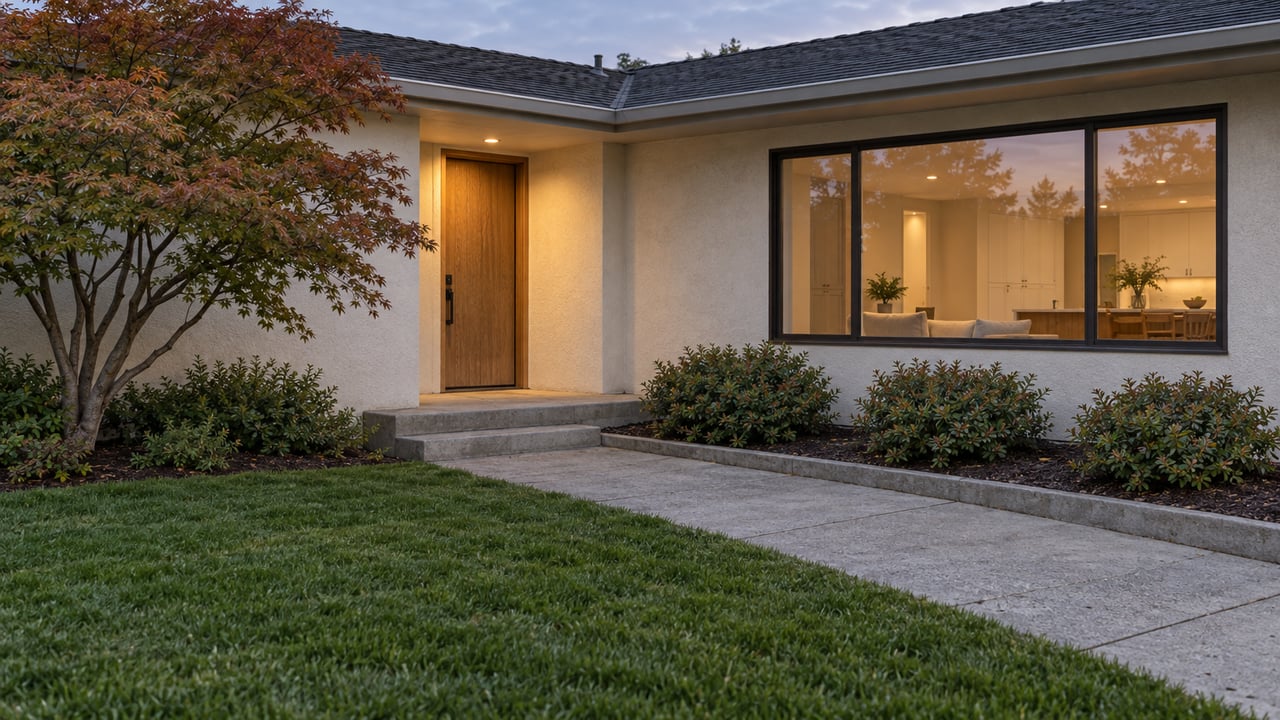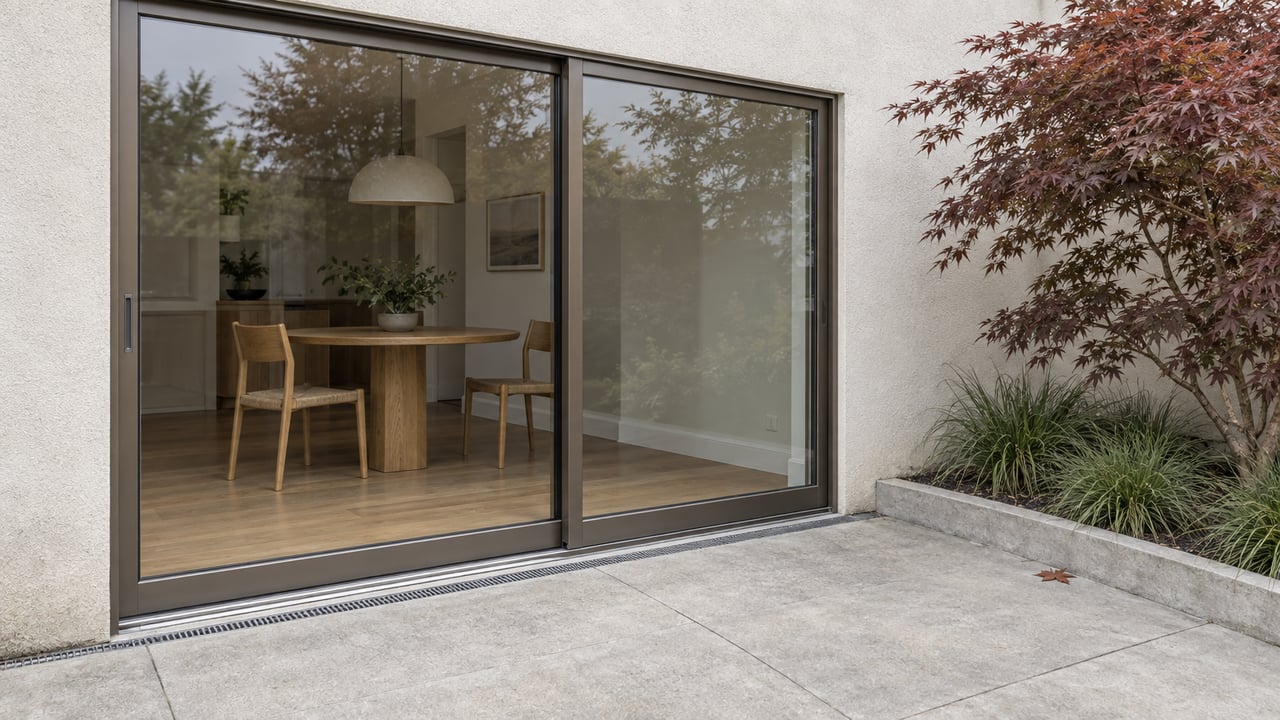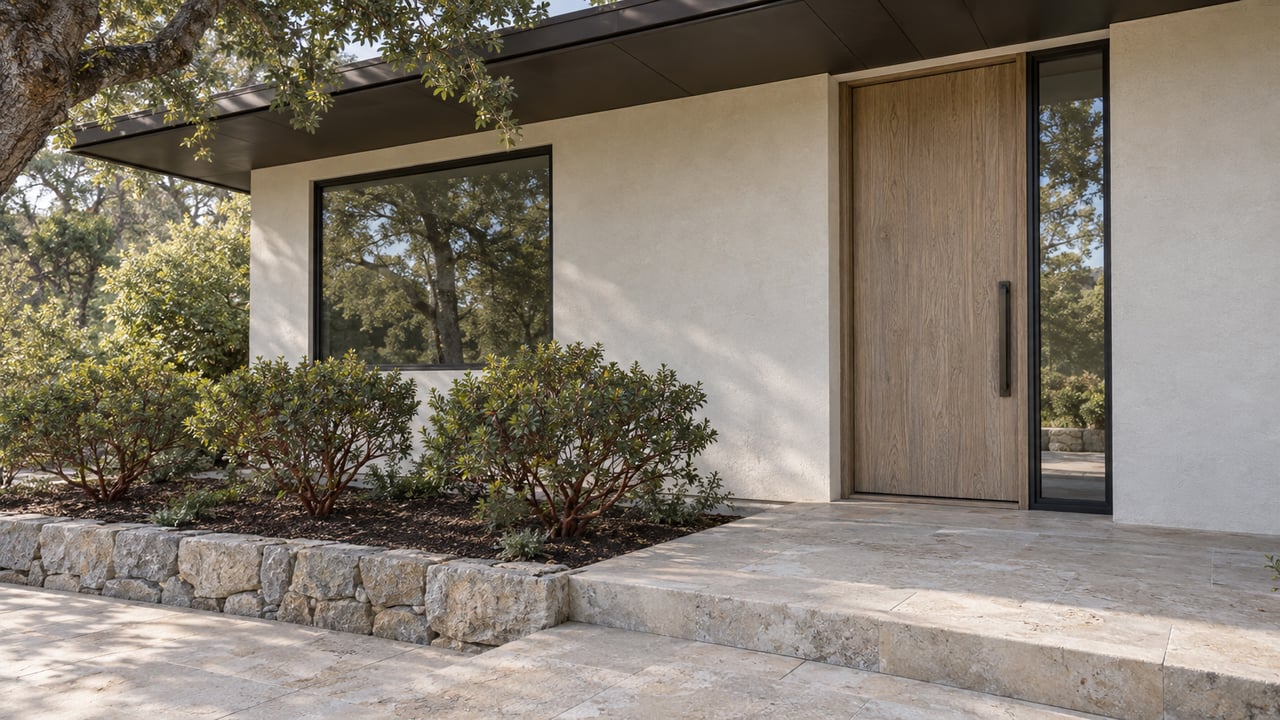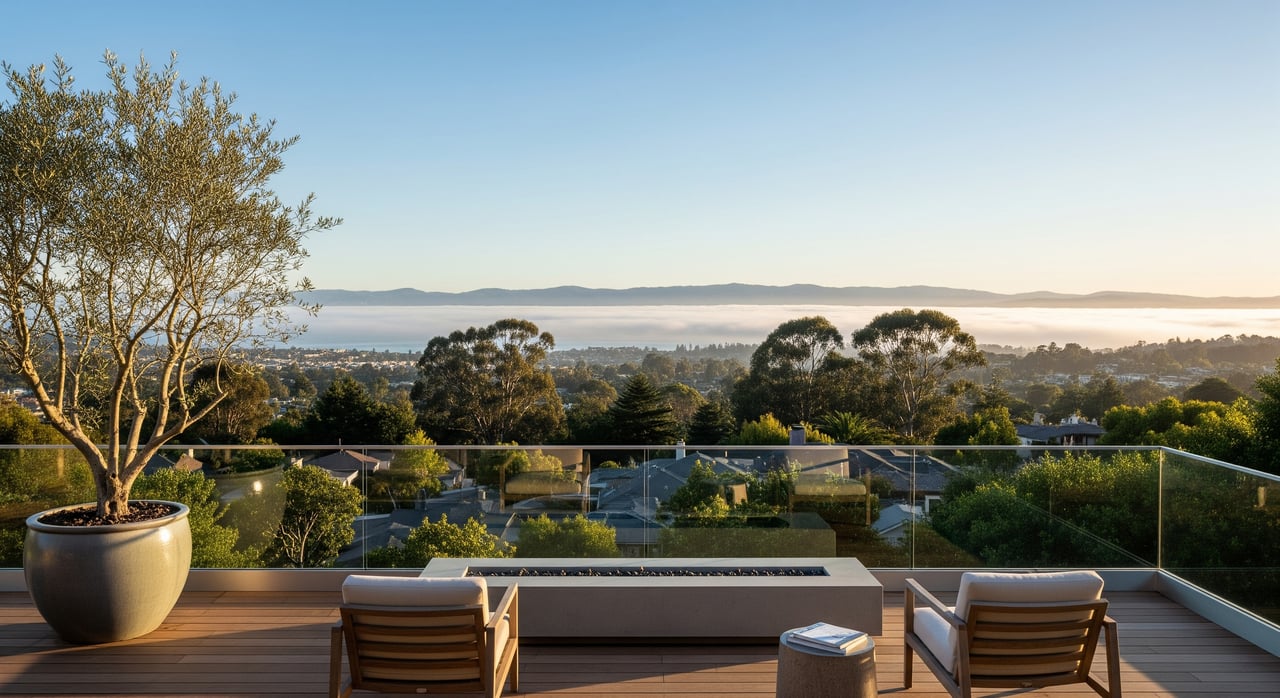
One Redwood City block can feel like a different season. If you are touring homes from Redwood Shores to the hills, you may notice fog, sun, wind, and temperature shift within minutes. That is the power of microclimates. In this guide, you will learn why microclimates matter for your comfort, landscaping, outdoor living, and energy costs, plus what to look for during showings and how to ask the right questions. Let’s dive in.
Why microclimates matter in Redwood City
Microclimates influence daily comfort, garden success, roof solar potential, and even long‑term risks. In the Bay Area, temperature can differ by several degrees from one neighborhood to the next, and on certain days the spread can reach 10 to 15°F. A home that is cool and foggy in the morning can turn sunny by noon, while a breezy bayfront patio can feel much cooler again in the late afternoon.
These shifts show up in small ways you will feel and see: morning dew on decks near the Bay, warmer patios downtown on sunny days, or longer sun exposure on hillside terraces. Understanding these patterns helps you choose the right home features, plan your landscaping, and budget for heating and cooling.
What drives the differences
Several local forces create Redwood City’s block‑to‑block variety:
- Marine layer and fog. The nearby Pacific and San Francisco Bay send fog and low clouds inland, especially in spring and summer. The strength and reach vary day to day and by neighborhood.
- Topography. Even slight rises into the foothills change sunlight, wind exposure, and fog persistence. Hills tend to get more sun and less lingering fog than low‑lying areas.
- Wind and breezes. Sea breezes and wind channeling through low points can make bayfront areas feel cooler and more exposed in the afternoon.
- Land cover. Downtown’s buildings and pavement hold warmth into the evening. Near the Bay, wetlands and open water can keep areas cooler and a bit damper.
- Flood and sea‑level exposure. Low‑lying neighborhoods close to marsh edges face more tidal flooding and long‑term sea‑level‑rise risk.
- Wildfire considerations. Upland and vegetated slopes have higher wildfire and ember exposure than densely built lowlands.
Neighborhood patterns at a glance
Microclimates vary street by street, but these patterns are common across Redwood City.
Bayfront and marsh‑adjacent areas
Think Redwood Shores and properties along the Bay or creeks. These locations often run cooler on summer days, with more frequent fog or low clouds, higher humidity, and steady breezes.
- What you might notice: Damp lawns or morning moisture on decks, light condensation on windows early, moss or mildew on shaded surfaces, and cooler evenings even after sunny afternoons.
- What it means for you: Favor shade‑tolerant and mildew‑resistant plants. Choose rust‑ and corrosion‑resistant outdoor fixtures and hardware. Evaluate drainage and understand flood and sea‑level‑rise exposure before you commit.
Central and downtown lowlands
Closer to downtown and other low‑lying inland pockets, you tend to see less persistent fog than the immediate bayfront and a wider swing from cool mornings to warm afternoons. Urban surfaces can raise nighttime temperatures somewhat.
- What you might notice: Patios feel comfortable for more of the day in summer, and sun‑loving plants often do well. Evenings can stay mild due to stored warmth.
- What it means for you: You have more options for sun‑favoring landscaping and possibly less fog‑related condensation. Urban heat can affect nighttime comfort and energy use, so insulation and shading still matter.
Eastern foothills and hillside streets
Above the lowlands, hills get more direct sun and less fog banking. Days can run warmer while nights cool off more quickly. Humidity is generally lower. Slope orientation matters a lot.
- What you might notice: South‑ or west‑facing slopes feel sunnier and warmer. Tree cover can add welcomed shade but may reduce solar access. Afternoon warmth is common, with less cooling from sea breezes than on the bayfront.
- What it means for you: Strong solar potential and bright interiors are possible. Plan for summer cooling strategies and drought‑tolerant plantings. Pay attention to wildfire defensibility and vegetation management.
Sheltered pockets and tree‑canopied streets
Some blocks sit behind wind breaks or under mature canopy. Shade can keep peak temperatures down but holds more moisture.
- What you might notice: Lush, shade‑adapted landscaping, moss on the north or shaded sides of structures, and reduced roof sun exposure.
- What it means for you: Consider shading impacts on solar panels. Choose plants that thrive in partial to full shade, and keep an eye on roof and gutter maintenance.
Landscaping that fits your lot
Matching plants and maintenance to your microclimate will save you time and money.
- Plant choice: Near the Bay, pick species that tolerate moisture and occasional salt exposure. On sunny hills, use drought‑tolerant, sun‑loving Mediterranean varieties. Local horticultural resources and nurseries can help you fine‑tune selections for Peninsula microclimates.
- Soil and drainage: Bay‑edge parcels may have finer soils and higher water tables, which can affect drainage and tree selection. Upland soils often drain faster. For large trees or major planting, verify soil type before you invest.
- Irrigation: Cooler, foggier areas need less frequent watering and benefit from good airflow to reduce fungal issues. Sunnier hills respond well to deeper, less frequent watering once plants are established.
- Maintenance: Shaded, damp corners are more prone to mildew, rot, and moss. Warmer, drier sites may require more fire‑smart maintenance and seasonal pruning.
Outdoor comfort and materials
Your patio and deck experience will change with exposure.
- Comfort windows: Bayfront patios can feel great through the late afternoon but turn chilly after sunset. Hillside patios offer long sun windows and may need shade structures or umbrellas by midday.
- Furniture and finishes: Near the Bay, select corrosion‑resistant hardware, powder‑coated metals, and mildew‑resistant fabrics. In shaded areas, breathable textiles help deter mold. In sun‑drenched spots, choose UV‑stable materials.
- Mosquito and water checks: Look for low spots and drainage issues. Standing water around marshy edges or poorly graded yards can raise mosquito pressure.
Energy, solar, and ventilation
Microclimates shape both comfort and utility bills.
- Heating and cooling: Bay‑adjacent homes often need less air conditioning but may run the heat longer on foggy mornings. Sunnier inland or hillside homes can get warmer during the day and may benefit from efficient cooling or whole‑house fans.
- Solar potential: Clear, sunny roofs in the hills often produce well. Shaded or frequently fog‑obscured roofs near the Bay can still perform if they are unobstructed and oriented well, but expect more variability.
- Ventilation: Breeze‑exposed bayfront homes can use natural ventilation on many days. Sheltered pockets may rely more on mechanical cooling.
- Insulation and windows: Good insulation and efficient glazing help across the city. They reduce morning chill in fog‑prone areas and keep afternoon heat at bay inland.
Safety and long‑term risks
When you evaluate homes, include resilience in your due diligence.
- Flood and sea‑level rise: Low‑lying, marsh‑adjacent parcels may sit in mapped floodplains or areas vulnerable to future tidal inundation. Check official flood and sea‑level‑rise materials for parcel‑level exposure and adaptation plans.
- Wildfire defensible space: Hills and vegetated slopes can carry higher wildfire or ember exposure. Review fire hazard severity maps, and plan for defensible space, ember‑resistant vents, and strategic hardscape.
- Permitting and retrofit costs: Seawall improvements, elevated foundations, stormwater upgrades, or fuel‑reduction work can require permits and budget. Factor these into your long‑term plans.
What to do at showings
See how a home actually lives across a full day and season.
Visit at different times
- Early morning: Look for fog, dew, condensation on windows, and overall chill.
- Midday: Gauge peak sun, heat buildup, and shade patterns on patios and windows.
- Evening: Note cooling breezes, temperature drop, and outdoor comfort.
Observe on site
- Check windows, doors, and decks for condensation or mildew.
- Look for standing water, soggy lawn areas, or poor drainage.
- Note roof shading from trees or nearby buildings and roof orientation.
- Listen for wind noise, especially near ridgelines or open bayfronts.
- Smell for persistent mildew or saline air that can speed corrosion.
Ask smart questions
- How often is the home cool or foggy versus sunny, and in which seasons?
- Any history of flooding, ponding, or high groundwater on the property?
- Any issues with mildew, rot, or irrigation and drainage systems?
- What are typical heating and cooling bills? Ask for utility bill history.
- What drought‑ or fire‑safety upgrades exist, such as defensible space or ember‑resistant vents?
- How shaded is the roof and what is the year‑round solar access?
Review data and resources
- FEMA flood maps and local floodplain resources.
- San Mateo County sea‑level‑rise and coastal adaptation publications.
- CAL FIRE and county fire hazard severity maps.
- County GIS for elevation, drainage basins, and soils.
- Local NOAA/NWS weather records and neighborhood weather cams.
- Utility and municipal energy‑efficiency programs for upgrade incentives.
Find your microclimate fit
There is no single best microclimate in Redwood City. Bay‑edge homes trade longer late‑afternoon comfort and natural breezes for cooler nights and more moisture. Hillside homes offer sun, views, and strong solar potential, balanced by warmer afternoons and wildfire defensibility. Central neighborhoods split the difference, with easy outdoor use on many days and modest urban‑heat effects after dark.
If you weigh these tradeoffs with on‑site observations, the right questions, and a plan for landscaping and energy use, you will be ready to choose with confidence. For tailored neighborhood guidance and swift buyer representation on the Mid‑Peninsula, connect with Debbie Elowson.
FAQs
What are Redwood City microclimates and why do they change so much?
- Local weather varies by proximity to the Bay and ocean, hills and elevation, wind exposure, and land cover, which can shift fog, sun, temperature, and humidity block by block.
How do Redwood City microclimates affect home energy bills?
- Bayfront homes may use less cooling but more morning heat on foggy days, while sunnier inland or hillside homes can need more daytime cooling; insulation helps in all areas.
Which Redwood City neighborhoods get the most fog or wind?
- Areas near the Bay and marsh edges often see more fog, moisture, and afternoon breezes, while upland hills tend to be sunnier with less persistent fog and lower humidity.
What should I look for during a Redwood City home showing?
- Visit at morning, midday, and evening to check condensation, drainage, shade, wind, and temperature swings, then ask for utility history and any flood or fire‑safety upgrades.
How do microclimates impact landscaping choices in Redwood City?
- Choose moisture‑ and salt‑tolerant plants near the Bay, and drought‑tolerant, sun‑loving species on hills; tailor irrigation and maintenance to moisture, shade, and heat exposure.