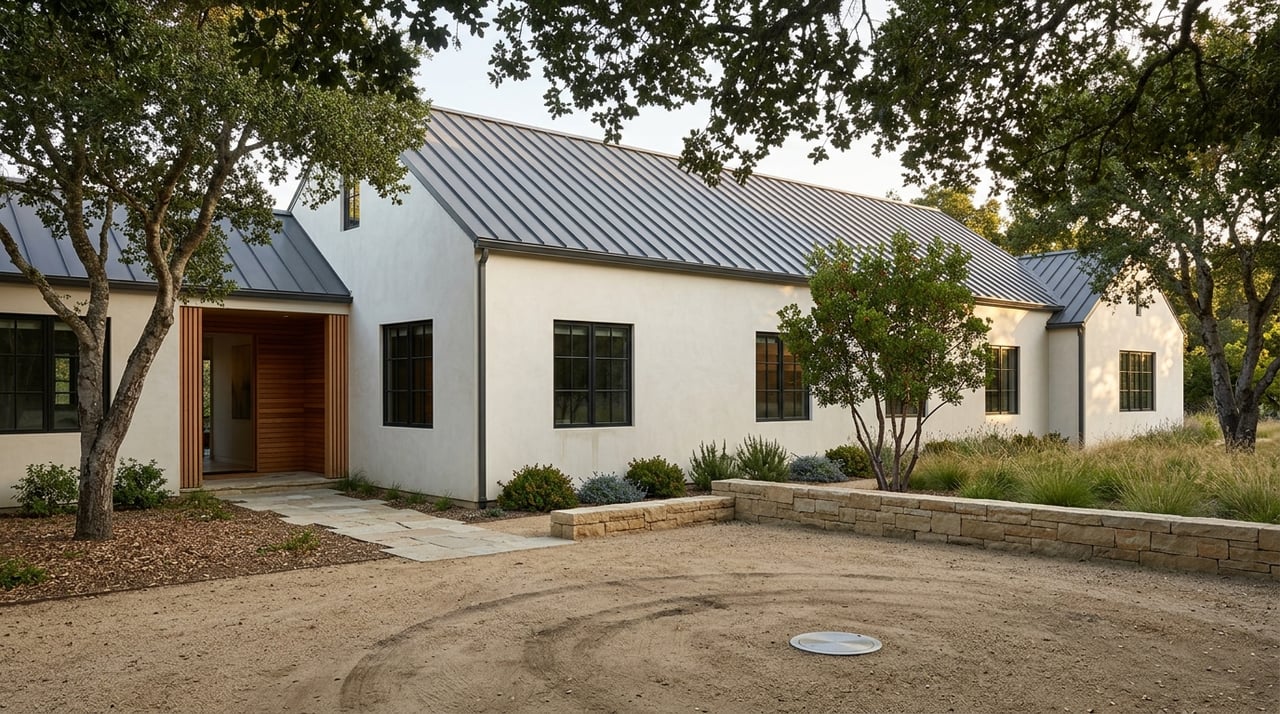
Looking for space, privacy, and a true rural feel without leaving the Peninsula? Buying in Woodside can offer all of that, but it also asks more of you during the home search. Here, a property is often defined as much by its land, utilities, and site constraints as by the house itself. If you are considering a move to Woodside, this guide will help you understand what matters most before you buy. Let’s dive in.
Why Woodside Feels Different
Woodside stands apart because its land-use pattern is intentionally low-density. According to the Town’s housing appendix, residential zoning ranges from 20,000-square-foot lots to 10-acre parcels.
That framework helps preserve the town’s rural character, open space, and equestrian setting. It also means buying here is rarely a simple check-the-box process. In many cases, you are evaluating the parcel itself just as closely as the home.
Woodside Zoning Shapes Your Options
Woodside’s residential districts include R-1, SR, RR, SCP-5, SCP-7.5, and SCP-10. These zones range from 20,000 square feet to 1 acre, 3 acres, 5 acres, 7.5 acres, and 10 acres, as outlined in the Town’s housing appendix.
The Town’s historic zoning summary explains that these standards reflect real land constraints, including steep slopes, fault zones, soil instability, high groundwater, low soil permeability, fire hazard, and limited sewer availability. In general, densities are higher in the eastern part of town and lower in the western hills, according to the Town’s appendices.
For you as a buyer, that means one Woodside property can function very differently from another, even if they seem similar on paper. Expansion potential, outbuildings, access, and future improvements may depend on conditions specific to that parcel.
Parcel Review Matters More Here
In many Peninsula markets, buyers focus first on location, floor plan, and finish level. In Woodside, those still matter, but parcel-level review often takes center stage.
The Town’s ADU guidance shows just how site-specific the review process can be. Constraints may include geotechnical and seismic hazards, easements, steep slopes, stream corridors, septic and infrastructure suitability, and Woodside Fire Protection District standards.
That makes due diligence especially important if you are thinking beyond the existing home. If you hope to add an ADU, expand the residence, improve access, or create equestrian facilities, feasibility is never something to assume.
Sewer, Septic, and Wells
Utilities are one of the biggest practical differences between Woodside and more conventional suburban markets. Some properties have sewer access, while others rely on septic systems and, in some cases, private wells.
San Mateo County states that every home must have a safe water supply and proper sewage disposal. Where there is no community water or municipal sewer system, owners must install their own systems, and the approved onsite wastewater system in the county is septic.
Woodside’s housing appendix notes that most R-1 and SR parcels have sewer access, but those systems are capacity-limited. It also states that septic feasibility can limit additional development in RR zones and in unsewered parts of the R-1 and SR districts, based on the Town’s housing appendix.
If a property is served by a septic system or an individual domestic well, San Mateo County Environmental Health may review planning or building projects that could affect sewage disposal or potable water supply. If a property uses a well, the County also says a well construction permit is required.
Utility Questions To Ask Early
Before you move too far along, it helps to clarify:
- Whether the property is connected to sewer
- The age and condition of any septic system
- Whether the home uses a private well or another water source
- Whether planned additions or improvements could trigger County Environmental Health review
These are not small details. They can affect both your renovation plans and your long-term ownership costs.
Equestrian Use and Trail Access
Woodside’s rural identity is closely tied to trails, open space, and horse property. The Town’s Trails Committee exists to protect, preserve, and enhance Woodside’s public equestrian and pedestrian trail system, and it reviews land divisions, subdivisions, and conditional use permits that affect trails.
The Woodside Fire Protection District also notes that Woodside includes open-space preserves where horseback riding and bicycling are allowed. For some buyers, that access is a major lifestyle draw.
If you are considering a property for horses, private stable rules matter. Under the Town’s private stable regulations, a permit requires at least one acre, allows up to two horses per acre, requires turnouts, limits certain structures to slopes under 20%, and includes fire-protection and waste-management requirements.
Why This Matters When Buying
Trail adjacency, easements, and driveway layout can directly affect how a property works day to day. They can also shape what improvements are realistic over time.
In other words, equestrian use in Woodside is not just a lifestyle feature. On some parcels, it is a key planning and design factor.
Fire Risk Is Part of Ownership
Woodside’s landscape is beautiful, but it also comes with wildfire planning responsibilities. The Town says it is committed to reducing wildfire threat through its defensible-space and home-hardening matching fund, which supports qualifying work.
The Woodside Fire Protection District requires year-round defensible space under Ordinance No. 24-01. That includes removal of combustible vegetation within 100 feet of structures, maintenance of Zones 0, 1, and 2, and clear access roads. These standards apply to all parcels, including vacant lots.
The district’s fire-smart yard guidance breaks the work into practical areas:
- Zone 0: 0 to 5 feet from the home
- Zone 1: 5 to 30 feet
- Zone 2: 30 to 100 feet or more
Woodside also notes that approved projects may receive 50% reimbursement for defensible-space or home-hardening work, up to $3,000, and the district’s chipper program and fuel management resources can help with ongoing upkeep.
The Town’s adopted housing element adds another important point: vacant and underutilized residential sites in the western and northern parts of town fall within the Very High Fire Hazard Severity Zone.
For buyers, the takeaway is simple. Fire safety is not a one-time disclosure item. It is an ongoing part of how a Woodside property is maintained and improved.
Daily Life in Woodside
If you are drawn to Woodside, part of the appeal may be that it does not feel overbuilt. The Town’s FAQ says the Town Center is about 17 acres and serves as the community’s village hub, with a grocery store, hardware store, restaurants, shops, offices, and Town Hall.
That compact scale is intentional. The Town’s housing appendix says Woodside’s commercially zoned land is virtually completely developed, which helps explain why the commercial core stays small rather than sprawling.
For your day-to-day life, that means Woodside offers convenience in a village format. You can enjoy local-serving amenities, but not the broader retail density you might find in a more conventional suburban center.
The Town also notes that a Town Center Area Plan update is underway, with completion anticipated by the end of 2026. According to the Town’s FAQ, that process is looking at land use, circulation, parking, open space, utilities, placemaking, and possible housing opportunities.
Smart Due Diligence Before You Buy
Because so much depends on the parcel, Woodside buyers benefit from asking focused questions early. That can help you avoid surprises and make a more confident decision.
Here are a few of the most important areas to review:
- Confirm sewer connection status or septic system details
- Verify water source, including whether a well serves the property
- Ask whether planned improvements may require County Environmental Health review
- Review trail easements, if any, and how they affect access or design
- Check whether horse-keeping or stable use is allowed and practical on the site
- Understand slope conditions and other physical site constraints
- Review current fire-zone mapping and vegetation-management obligations
- If you are considering an ADU, major addition, or subdivision, expect Town planning review and possibly Planning Commission action in addition to building and fire review
What Buying in Woodside Really Means
Buying in Woodside is often less about finding a standard suburban home and more about choosing a specific piece of land with a certain lifestyle and set of responsibilities. The reward can be exceptional privacy, space, access to open landscapes, and a distinct rural-luxury setting on the Peninsula.
The key is knowing how to evaluate the property beyond the surface. When you understand zoning, utilities, trails, and fire requirements upfront, you can make a smarter purchase and plan for ownership with far more confidence.
If you are considering a move to Woodside and want thoughtful guidance on how to evaluate properties, improvements, and long-term fit, Debbie Elowson can help you navigate the process with local insight and a calm, strategic approach.
FAQs
What makes buying a home in Woodside different from buying elsewhere on the Peninsula?
- Woodside is intentionally low-density, with residential zoning ranging from 20,000-square-foot lots to 10-acre parcels, so buyers often need to evaluate land constraints, utilities, and site conditions as closely as the home itself.
What utility issues should buyers check on a Woodside property?
- You should confirm whether the property is connected to sewer, relies on septic, uses a private well, and whether future improvements may require review by San Mateo County Environmental Health.
What should buyers know about equestrian use in Woodside?
- Equestrian use can be a major factor in how a parcel functions, and private stable permits require at least one acre, specific turnout and slope standards, and fire-protection and waste-management compliance.
What wildfire requirements apply to Woodside homes?
- Woodside properties are subject to year-round defensible-space requirements, including vegetation management around structures, maintenance of fire-safety zones, and clear access roads, with some areas also located in the Very High Fire Hazard Severity Zone.
What is daily life like near Woodside Town Center?
- Woodside’s Town Center is a compact 17-acre village hub with local-serving amenities such as a grocery store, hardware store, restaurants, shops, offices, and Town Hall, rather than a large suburban retail district.
What if I want to add an ADU or expand a home in Woodside?
- Site-specific constraints such as slopes, easements, stream corridors, septic suitability, seismic issues, and fire standards can affect feasibility, so additions and major improvements typically require careful Town and sometimes County review.