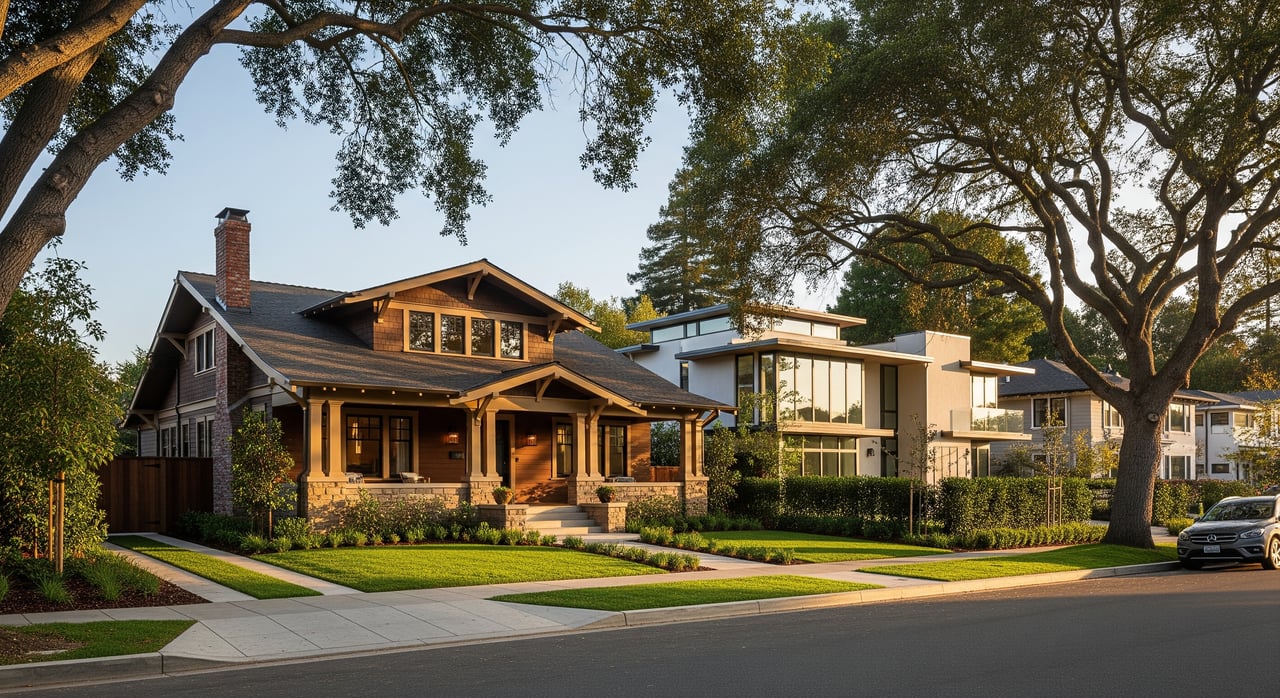
Choosing between Menlo Park neighborhoods can feel like apples to oranges. You might want leafy streets and privacy, but also crave a quick walk to cafes or Caltrain. The good news is you have strong options, each with clear lifestyle trade-offs. In this guide, you’ll compare West Menlo, Allied Arts, Sharon Heights, and Suburban Park across walkability, lot size, commute, renovation potential, and exposure to noise or flooding. By the end, you’ll know which areas deserve a closer look for your day-to-day life. Let’s dive in.
How to think about Menlo Park
Menlo Park is an older, highly desirable Peninsula city in San Mateo County with a competitive single-family market and a mix of classic neighborhoods and newer rebuilds. Regional access is shaped by US-101, I-280, and the Menlo Park Caltrain station near downtown. Local buses and some employer shuttles also support commuting.
Physical factors matter. Bayfront marshes and local parks influence flood exposure in some low-lying areas. Mature street trees and heritage protections can affect renovations and timelines. Zoning and lot-size rules guide what you can build or expand, especially in established single-family districts. If you plan to modernize, these policies are part of your decision.
Quick comparison at a glance
- Allied Arts: Highest walkability to downtown and Caltrain. Smaller lots, older homes with character, close-knit feel.
- West Menlo: Leafy residential streets with a mix of home sizes and ages. Walkability varies street-to-street.
- Sharon Heights: Larger lots and privacy with a suburban, estate-style feel. More car-oriented.
- Suburban Park: Practical post-war homes with moderate yards. Middle-ground value and car convenience.
West Menlo: Balanced and quiet
Home types and lots
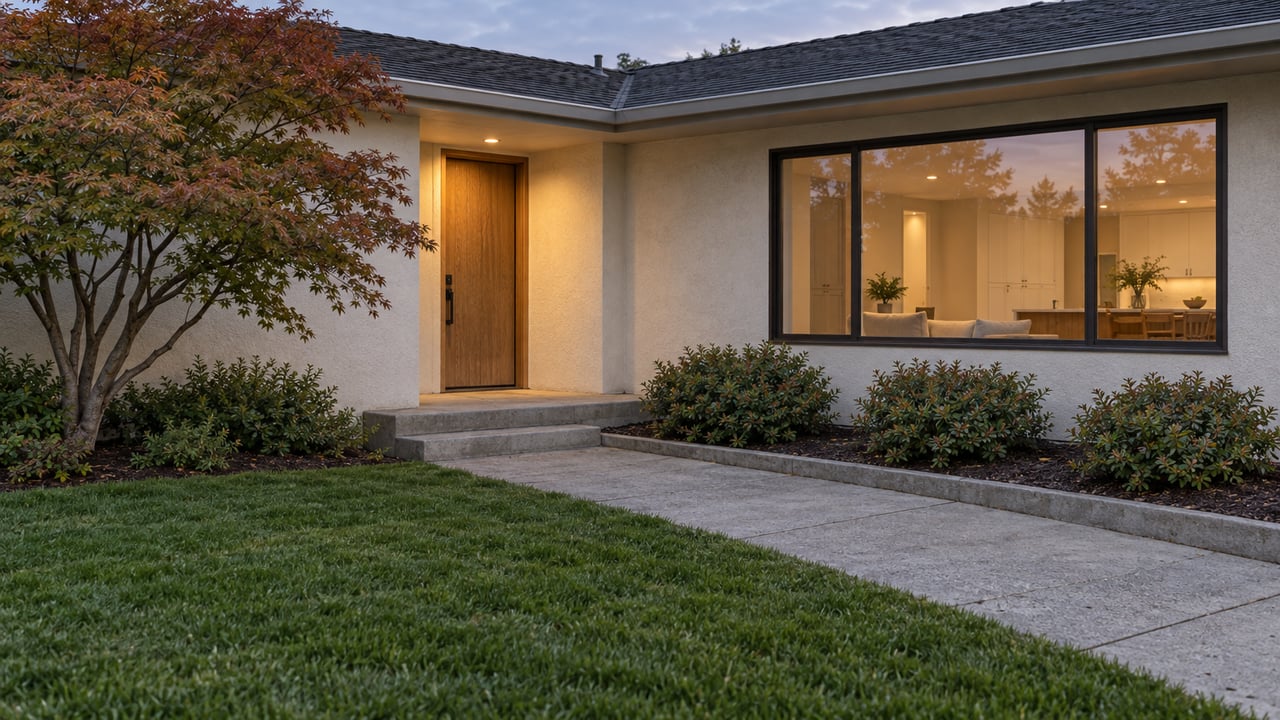
You’ll see single-story ranches, midcentury homes, and an increasing number of remodels and rebuilds. Lot sizes vary widely. Some streets offer larger parcels that attract custom projects, while others resemble modest suburban lots.
Walkability and streetscape
Streets are tree-lined and calm. Depending on your block, you may be a short stroll or bike ride to neighborhood shops and Santa Cruz Avenue, or a quick drive away. Expect a relaxed residential look and feel.
Parks and outdoor access
You’ll find neighborhood parks nearby and reasonable reach to regional open spaces and bayfront trails. If daily outdoor time is a priority, confirm your proximity to your favorite park and bike routes.
Commute and transit
Many homes are a short drive or bike ride to the Menlo Park Caltrain station. Access to both US-101 and I-280 is convenient for car commuters headed north or south.
Renovation and regulations
Modernization potential is strong, especially on larger parcels. Keep in mind that heritage trees and city permitting can influence scope and timing for additions or rebuilds.
Common trade-offs
- Pros: Variety of home sizes, opportunity to expand or rebuild, quiet streets with good access to services.
- Cons: Premium pricing for proximity to downtown and transit, possible tree or permit constraints for major projects.
Allied Arts: Walk-to-downtown living
Home types and lots
Expect older bungalows, cottages, and modest single-family homes from the early-to-mid 20th century. Lots are smaller and closer together than in more suburban areas.
Walkability and streetscape
This is one of Menlo Park’s most walkable neighborhoods. Sidewalks, mature trees, and short blocks make it easy to reach Santa Cruz Avenue cafes, restaurants, and Caltrain, depending on your exact address.
Parks and outdoor access
Local pocket parks and community services are close. You’ll likely spend more time strolling to shops and meeting friends nearby than tending a large yard.
Commute and transit
If you want to walk to Caltrain or downtown employers, Allied Arts is a top pick among these four neighborhoods.
Renovation and regulations
Older homes often need systems updates or kitchen and bath projects. Character details can be a perk for buyers who value period style. Review permit history and potential requirements for older structures.
Common trade-offs
- Pros: Highest walkability, close to retail and dining, strong neighborhood character.
- Cons: Smaller lots and less privacy, older mechanical systems that may require upgrades.
Sharon Heights: Space and privacy
Home types and lots
Sharon Heights is known for larger detached homes, midcentury properties, and some custom estates. Lots often offer more square footage and privacy than you’ll find closer to downtown.
Walkability and streetscape
The streets are wider and more car-oriented. You’ll likely drive for most errands, though nearby open spaces and landscaped settings create a calm environment.
Parks and outdoor access
Private yards are a major draw. Many properties can accommodate outdoor features like a pool or large patio. Green amenities and open-space corridors add to the area’s peaceful feel.
Commute and transit
Plan on a short drive to Caltrain or employer shuttles. Freeway access is straightforward depending on your exact location, with reasonable routes to US-101 and I-280.
Renovation and regulations
With bigger homes and lots, projects can be more extensive. Factor in higher landscape and maintenance needs. As always, check local rules that apply to tree protection and design.
Common trade-offs
- Pros: Larger lots, privacy, and room to expand. Quieter, suburban setting.
- Cons: Lower walkability to downtown, higher upkeep costs for larger homes and yards.
Suburban Park: Practical family living
Home types and lots
This middle-ring neighborhood features post-war ranches and midcentury homes, with some townhomes or small multifamily pockets. Lots are moderate in size, typically larger than Allied Arts but smaller than the biggest Sharon Heights parcels.
Walkability and streetscape
Expect a suburban streetscape with sidewalks in many areas. Walkability varies block-to-block, and most errands are easier by car than on foot.
Parks and outdoor access
Neighborhood parks and community facilities are nearby. Many buyers appreciate the manageable yard sizes and straightforward layouts.
Commute and transit
Suburban Park offers reasonable access to US-101 and a short drive to Caltrain. Biking and local buses are options, but most residents rely on cars for daily errands.
Renovation and regulations
Homes are generally functional and offer good modernization potential. Check permit history, age of major systems, and any tree or setback considerations if you plan to expand.
Common trade-offs
- Pros: Practical floor plans, moderate yards, and approachable day-to-day convenience. Often a good value fit for families.
- Cons: Fewer walkable retail options and a more homogeneous housing stock on some streets.
Weigh your priorities
Walkability and daily convenience
- Best walkability: Allied Arts, with easy access to Santa Cruz Avenue and Caltrain.
- Variable walkability: West Menlo, depending on the block.
- More car-oriented: Suburban Park and Sharon Heights, where you’ll likely drive for most errands.
What to verify: actual block-level walkability, distance to your frequent destinations, and the route to Caltrain if you plan to walk.
Lot size and outdoor living
- Largest lots and privacy: Sharon Heights.
- Mixed lot sizes and rebuild potential: West Menlo.
- Moderate yards: Suburban Park.
- Smaller yards with neighborhood strolling focus: Allied Arts.
What to verify: lot dimensions, sun exposure, tree protections, and whether the parcel sits in a floodplain.
Renovation potential
- Character with upgrades: Allied Arts often pairs period details with systems updates.
- Expansion or rebuilds: West Menlo and Sharon Heights commonly host larger projects.
- Practical modernization: Suburban Park’s post-war homes are good candidates for updates.
What to verify: permit history, structural condition, potential for ADUs, and whether tree or design reviews apply.
Commute and transit
- Walk and train: Allied Arts is closest to Caltrain and downtown services.
- Car convenience: Sharon Heights and parts of West Menlo and Suburban Park offer straightforward access to major freeways.
What to verify: exact walking distance to the Menlo Park station, employer shuttle stops, and peak-hour traffic patterns.
Noise and environmental exposure
Consider proximity to US-101, El Camino Real, and rail lines if noise is a concern. Homes closer to bayfront areas may face higher flood or long-term sea-level rise exposure.
What to verify: city floodplain maps, local hazard disclosures, and noise conditions at different times of day.
Cost considerations beyond price
- Larger lots and custom homes often mean higher landscape and maintenance costs.
- Older homes may need mechanical updates that can improve efficiency long term.
- Rebuilds can involve more permitting steps and potential tree mitigation.
What to verify: expected maintenance, property tax basis, utility status, and feasibility for an ADU under local rules.
Smart buyer checklist
Use this quick list when you tour or evaluate listings:
- Walkability and transit: distance to Caltrain, blocks to cafes and groceries, and bike route quality.
- Lot and light: lot size, usable yard area, orientation for sun and shade.
- Zoning and overlays: setbacks, ADU potential, and any tree or heritage protections.
- Flood and resilience: check floodplain status and local planning resources for long-term exposure.
- Recent comparables: review MLS comps from the past 3-6 months to understand velocity and pricing.
- Commute reality: test drive or map peak-hour routes to your workplace.
- Condition basics: roof age, foundation, seismic retrofits, plumbing and electrical updates, and presence of older materials that may require special handling.
- Expansion feasibility: likely permit timelines, design review triggers, and constraints tied to trees or lot coverage.
- Neighborhood services: parking norms, parcel delivery, garbage and recycling schedules, and any HOAs.
Which neighborhood fits your lifestyle?
- You want to stroll to lattes, dinner, and Caltrain: Start with Allied Arts.
- You want quiet streets with a mix of house sizes and future expansion: Tour West Menlo.
- You prioritize space, privacy, and room for a pool or outdoor living: Focus on Sharon Heights.
- You want practical family living and moderate yards at a more approachable scale: Put Suburban Park on your list.
If you are still torn, view a few listings in each area on the same day. Walk the block morning and evening, listen for traffic, and time your route to Caltrain or your office. Small differences at the street level often make the decision clear.
Ready to refine your search or sense-check a property’s trade-offs? Connect with Debbie Elowson for tailored guidance and fast, decisive representation in Menlo Park.
FAQs
What makes Allied Arts stand out for walkability?
- Allied Arts offers short walks to Santa Cruz Avenue shops and the Menlo Park Caltrain station from many blocks, making it ideal if you prefer daily errands on foot.
How do lot sizes compare across Menlo Park neighborhoods?
- Sharon Heights typically has the largest lots, West Menlo varies widely, Suburban Park offers moderate yards, and Allied Arts tends to have smaller parcels.
Where should I focus if I plan a major remodel or rebuild?
- West Menlo and Sharon Heights often offer the parcel sizes and patterns that accommodate larger projects, subject to local permitting and tree protections.
Which area is best for a car commuter?
- Sharon Heights and parts of West Menlo and Suburban Park provide convenient access to US-101 or I-280, depending on your exact address and commute direction.
How should I evaluate flood or sea-level rise exposure in Menlo Park?
- Review city or county floodplain maps and local resilience resources, especially for homes near bayfront areas, and fold those findings into inspections and disclosures.
What upkeep costs should I expect with larger properties?
- Bigger homes and yards can mean higher landscaping, utilities, and maintenance, while older homes may require upfront mechanical upgrades that improve efficiency over time.