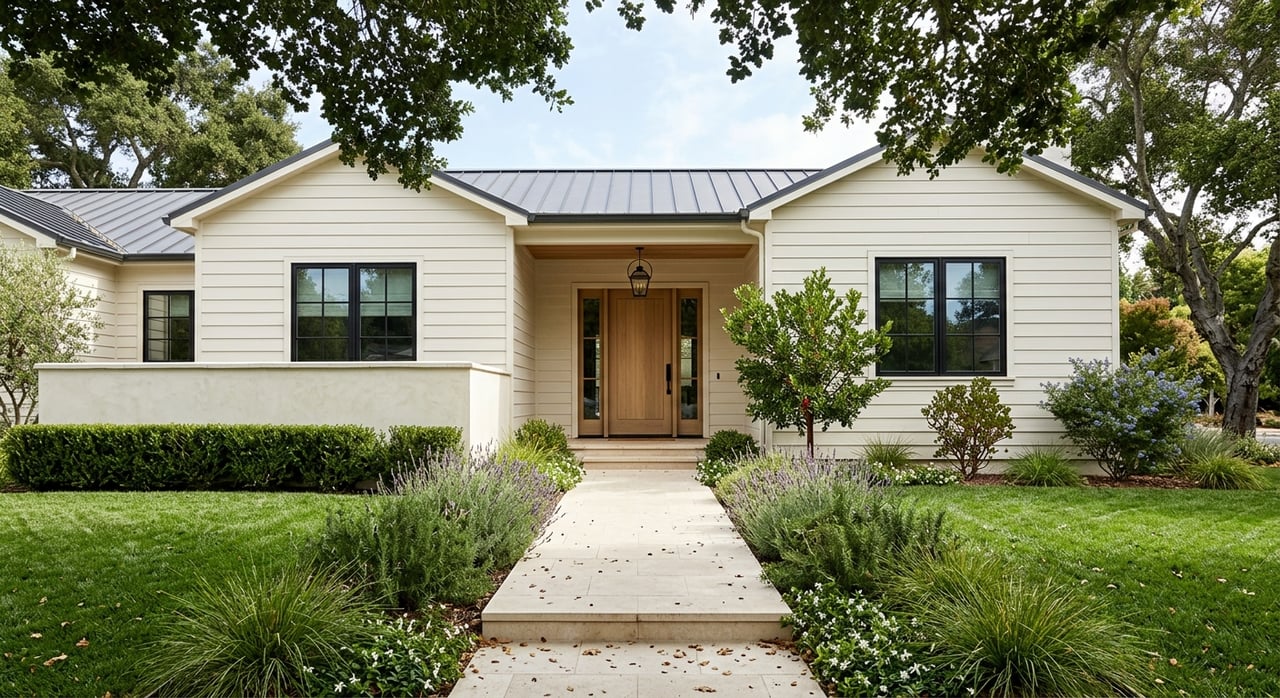
If you are thinking about buying a single-family home in Menlo Park, you are stepping into one of the Peninsula’s most competitive and most nuanced markets. Prices move fast, inventory stays tight, and one street can feel very different from the next. The good news is that when you understand how Menlo Park’s micro-markets work, you can make smarter decisions and compete with more confidence. Let’s dive in.
Menlo Park Market Snapshot
As of March and April 2026, Menlo Park remains a clear seller’s market. Multiple data sources point to the same trend: homes move quickly, many sell above list price, and buyers often face competition.
Redfin reports a median sale price of about $3.05 million, average market time of about 12 days, and roughly four offers per home. Zillow shows a median sale price of $2.651 million, about 11 days to pending, and 62.7% of sales closing above list price. Realtor.com reports a median listing price of $2.998 million, 22 median days on market, and a 108% sale-to-list ratio.
The exact numbers vary because each platform measures a different slice of the market. Still, the overall takeaway is consistent: detached homes in Menlo Park are scarce, desirable listings move fast, and strong preparation matters.
Why Menlo Park Feels So Micro-Local
One of the biggest surprises for buyers is how much the single-family market changes by neighborhood, lot type, and even block. Menlo Park includes classic ranch-home pockets from the 1940s and 1950s, larger-lot areas with major rebuild activity, and a few unusual situations like leasehold properties and county pockets.
That means broad price averages can only tell you so much. Some neighborhood median figures also blend single-family homes with condos or townhomes, so they are best used as directional signals rather than exact entry points for detached homes.
Parcel details matter too. If you are considering an addition, rebuild, or future lot strategy, the City’s GIS lot viewer is an important tool because publicly summarized lot sizes can be approximate.
Menlo Park Neighborhoods to Know
Allied Arts and Stanford Park
Allied Arts stands out for its older character homes, tear-down opportunities, and newer custom construction. The City describes the area as walkable and close-knit, with older cottages, 1920s and 1930s homes, and a Mediterranean influence tied to the Allied Arts Guild.
Realtor.com’s current neighborhood snapshot places Allied Arts at a median listing price of $3.924 million. In practical terms, buyers here often need to evaluate not just the house itself, but also the lot value and future improvement potential.
Central Menlo
Central Menlo is one of the city’s most recognized large-lot single-family areas. According to the City, many homes sit on about a quarter acre or more, and the neighborhood includes both vintage ranch homes and newer multi-story residences.
Public median listing figures can be misleading here because the sample size is small. Current listings cited in the research range from about $3.78 million to $10.49 million, showing just how wide the pricing spread can be based on lot size, home condition, and level of renovation.
Felton Gables
Felton Gables has a current Zillow typical value of about $4.53 million. The City describes it as a wooded-feeling neighborhood with smaller 1930s and 1940s ranch homes, along with some newer two-story replacements.
For buyers, that usually means condition and updates can make a major difference from one property to the next. Two homes on similar sites may compete in very different price ranges depending on how much work has been done.
The Willows and Linfield Oaks
The Willows remains one of Menlo Park’s best-known established neighborhoods. Zillow places it around $2.85 million, while Realtor.com’s median listing snapshot is about $3.0 million.
The housing stock started largely with modest 1940s and 1950s homes, many around 1,200 square feet, but today the neighborhood also includes substantial new construction, along with bungalows and Craftsman-style homes. That mix gives buyers a wider range of options, from updated originals to larger newer homes.
Linfield Oaks is around $2.79 million on Zillow. The City describes it as mostly one-story ranch homes with newer additions in some areas, which can appeal if you want a more traditional residential feel with a mix of original and expanded properties.
Sharon Heights and Stanford Hills
Sharon Heights was largely built in the 1960s on hilly terrain and includes a broad mix of housing types. Realtor.com’s median listing price is about $2.34 million, but that number is influenced by the area’s mixed housing stock, so it should not be treated as a detached-home baseline.
Stanford Hills is a very small enclave of 78 homes from the 1960s. What makes it especially important to understand is that, according to the City, owners lease the land from Stanford University rather than owning it outright. If you are considering Stanford Hills, land tenure should be part of your analysis from the start.
West Menlo and University Heights
West Menlo, sometimes shown as University Heights in market data, is an unincorporated pocket with smaller lots and a different school pattern than much of incorporated Menlo Park. The area includes small cottages, newer two-story homes, and a range of remodeled and custom-built properties.
The research notes current listing examples from roughly $2.10 million to $6.39 million. That wide range reflects how much value here depends on lot size, design, and level of finish.
Menlo Oaks
Menlo Oaks is one of the more distinctive Menlo Park-adjacent single-family areas. Zillow places the neighborhood around $3.46 million, and the City describes it as an unincorporated area with expansive lots, few streetlamps, no sidewalks, and an eclectic mix of homes ranging from cabins to large estates.
If you are looking for a more spacious setting with a less uniform streetscape, Menlo Oaks may stand out. It also tends to attract buyers who value lot size and individuality over a more traditional subdivision feel.
Suburban Park, Lorelei Manor, and Flood Triangle
These eastern Menlo Park neighborhoods are described by the City as having mostly original 1950s ranch-style homes and active cul-de-sac patterns near Marsh Road and Highway 101. Zillow places Lorelei Manor at about $2.47 million.
For buyers trying to enter the Menlo Park detached-home market at a somewhat lower price point, this group of neighborhoods can be worth close attention. Even here, though, the market is still competitive and property condition varies.
What to Verify Before You Write an Offer
In Menlo Park, details that seem small at first can have a big effect on value and future plans. Before you get too far into a purchase, it helps to verify the basics carefully.
Key items to confirm include:
- Whether the property is in incorporated Menlo Park or an unincorporated pocket
- Approximate lot size and parcel configuration
- Whether the property is fee simple or leasehold
- The age and condition of the home, especially in older 1930s to 1950s neighborhoods
- Whether the home appears to be original, expanded, or fully rebuilt
- School assignment by exact address
This kind of upfront diligence can help you avoid surprises and compare homes more accurately. It also gives you a stronger footing when you need to move quickly.
School Boundaries Are Address-Specific
Many buyers assume school assignment follows the city name. In Menlo Park, that can lead to mistakes.
The Menlo Park City School District serves parts of Menlo Park, Atherton, and unincorporated San Mateo County. The district includes Encinal, Laurel, Oak Knoll, and Hillview, and it directs buyers to verify assignment through its School Locator.
West-side and southwest neighborhoods often overlap with the Las Lomitas Elementary School District. On the east side, Belle Haven is served by the Ravenswood City School District rather than Menlo Park City School District.
For high school, Menlo Park falls within the Sequoia Union High School District. That district states clearly that assignment should be verified by address because boundary exceptions and redesignated areas exist.
How to Compete in a Fast Market
In a market where homes often receive multiple offers and some hot listings go pending in about a week, speed matters. But speed without a plan can create stress and risk.
A better approach is to get clear on your budget, financing strength, target neighborhoods, and non-negotiables before the right house appears. That way, when a strong listing hits the market, you can review disclosures and act without scrambling.
Redfin’s data suggests about four offers per home on average in Menlo Park. Combined with sale-to-list ratios above 1.06 from Zillow and Realtor.com data, that tells you to expect pressure on well-priced detached homes.
Contingencies Still Matter
In a competitive market, buyers often feel pushed to make their offers as clean as possible. That does not mean you should overlook protections that matter to your situation.
The California Department of Real Estate advises buyers to include the contingencies or special conditions they want in the purchase offer. Common examples include financing, home inspection, pest inspection, and repairs.
The Department of Financial Protection and Innovation also notes that pre-qualification does not remove the need for a financing contingency. In other words, even a well-prepared buyer should think carefully before reducing protections.
A practical strategy in Menlo Park is often to keep the contingencies that matter most, tighten timelines where reasonable, and move quickly once disclosures are available. That can be especially important in older-home neighborhoods, rebuild-heavy areas like Central Menlo and Allied Arts, and special ownership situations like Stanford Hills.
How to Buy More Strategically
If you want to buy well in Menlo Park, focus on fit before emotion takes over. A beautiful kitchen matters, but so do the less visible pieces like lot characteristics, ownership structure, neighborhood context, and future improvement potential.
It also helps to compare homes within the right micro-market. A detached home in Central Menlo should not be measured the same way as a property in The Willows, West Menlo, or Stanford Hills.
Most of all, be ready to make a fast but informed decision. In Menlo Park, buyers usually do best when they combine local insight, careful verification, and a clear offer strategy.
If you want help navigating Menlo Park’s fast-moving single-family market with a calm, hands-on strategy, Debbie Elowson can help you evaluate neighborhoods, move quickly on the right opportunities, and compete with confidence.
FAQs
What is the current single-family home market like in Menlo Park?
- Menlo Park is a competitive seller’s market, with fast-moving inventory, multiple offers on many homes, and many sales closing above list price.
What price range should you expect when buying a single-family home in Menlo Park?
- Citywide data suggests a broad range around the high $2 millions to low $3 millions and above, but actual single-family pricing varies significantly by neighborhood, lot size, condition, and ownership type.
Which Menlo Park neighborhoods have larger lots for single-family homes?
- Central Menlo is one of the clearest large-lot areas, and Menlo Oaks is also known for expansive lots, while lot size can vary widely in other neighborhoods.
Why should you verify school boundaries by address in Menlo Park?
- Menlo Park school assignment is address-specific, and different areas may be served by Menlo Park City School District, Las Lomitas, Ravenswood, or different Sequoia Union High School District boundaries.
What is different about buying a home in Stanford Hills in Menlo Park?
- Stanford Hills is unusual because, according to City materials, homeowners lease the land from Stanford University, which can affect value, ownership analysis, and risk.
What contingencies should you consider when buying a single-family home in Menlo Park?
- Common contingencies include financing, home inspection, pest inspection, and repairs, and buyers should decide carefully which protections to keep based on the home and market conditions.