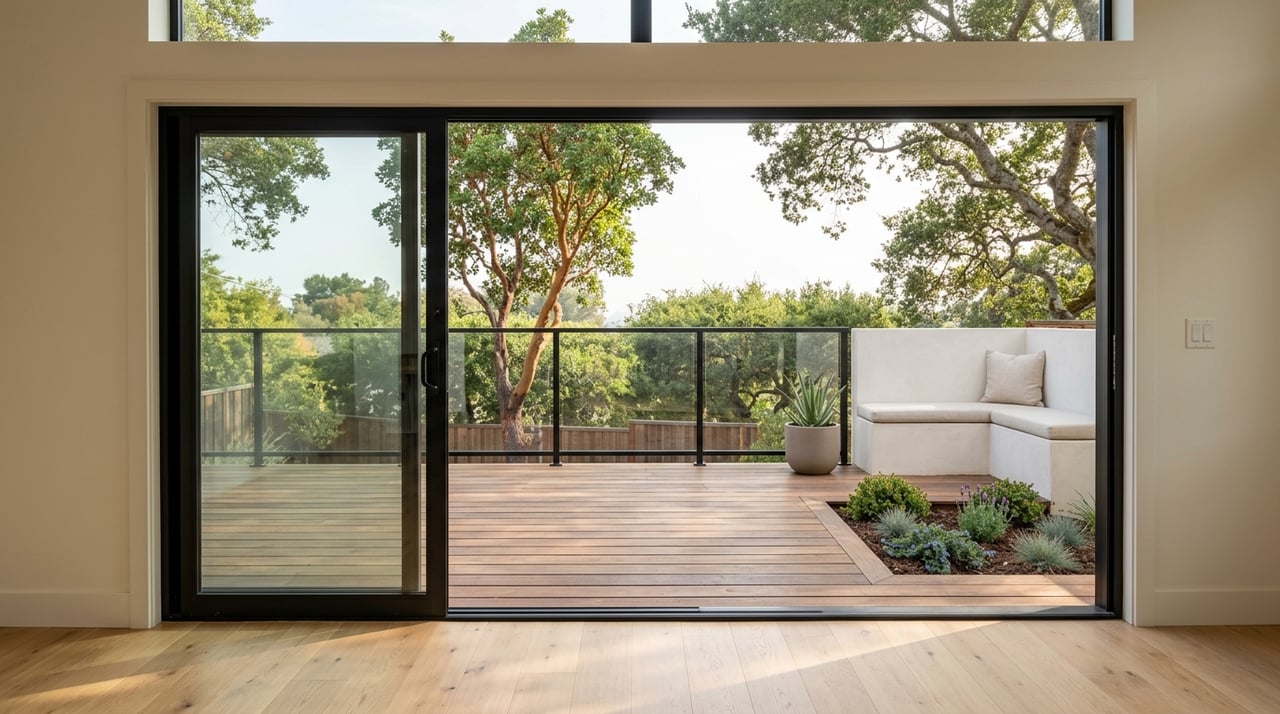
Wondering how much work a Belmont hillside home really needs before it hits the market? In a high-value, fast-moving market, the goal usually is not to take on a huge remodel. It is to remove buyer concerns, highlight what makes your property special, and make the home feel well cared for from the street to the view deck. Let’s dive in.
Why prep matters in Belmont
Belmont remains a competitive market where presentation can affect both price and speed. Recent market snapshots from Redfin, Realtor.com, and Zillow vary in exact numbers, but they point in the same direction: homes are still selling in a high-dollar, active environment.
For you as a seller, that means smart preparation can help buyers feel confident quickly. On a hillside property, buyers often notice access, maintenance, outdoor usability, and visible improvements right away. A polished home can make those first impressions work in your favor.
Focus on buyer objections
If you are planning to sell in the next 6 to 18 months, think of preparation as a way to reduce friction. Instead of asking, "What can I remodel?" a better question is, "What might make a buyer hesitate?"
On a Belmont hillside home, common concerns often center on slope, drainage, stairs, retaining walls, decks, vegetation, and permit history. When these items look maintained and thoughtfully addressed, buyers are more likely to focus on the home’s strengths.
Prioritize the street-to-entry experience
Make access feel easy
Belmont’s hillside areas can involve steep slopes, limited access, and other site constraints. That makes the path from the street to your front door a key part of the showing experience.
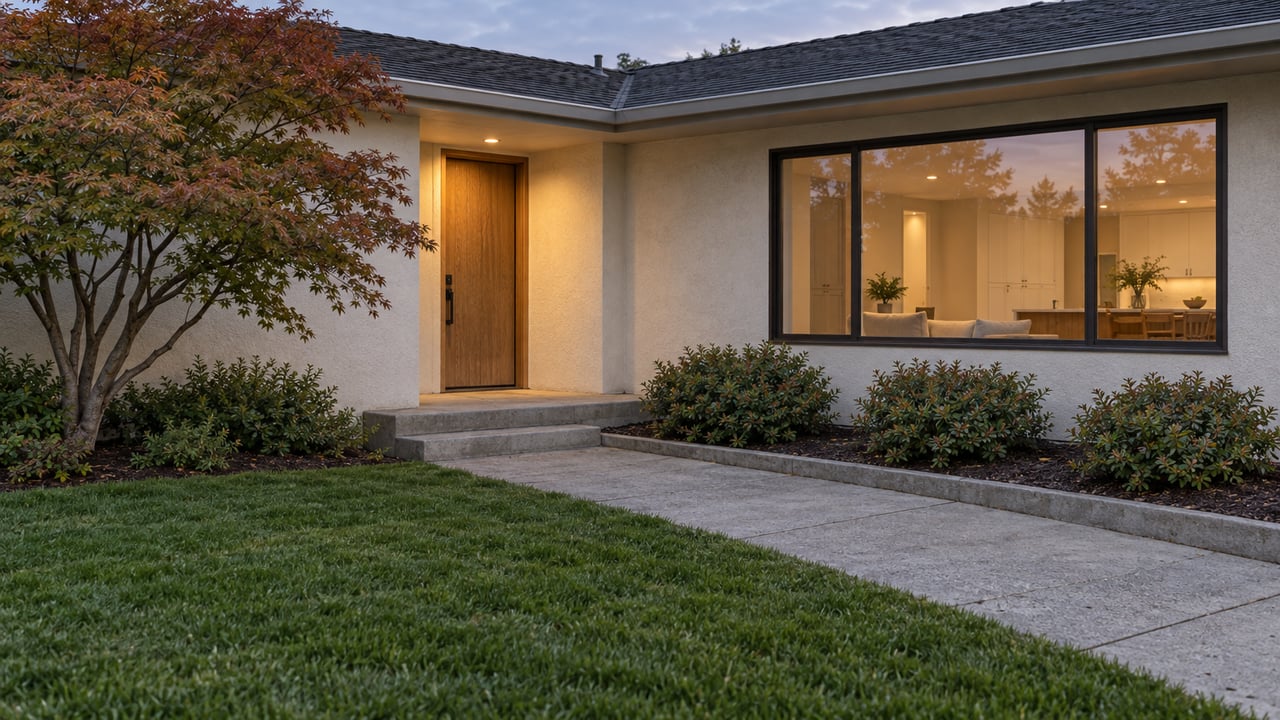
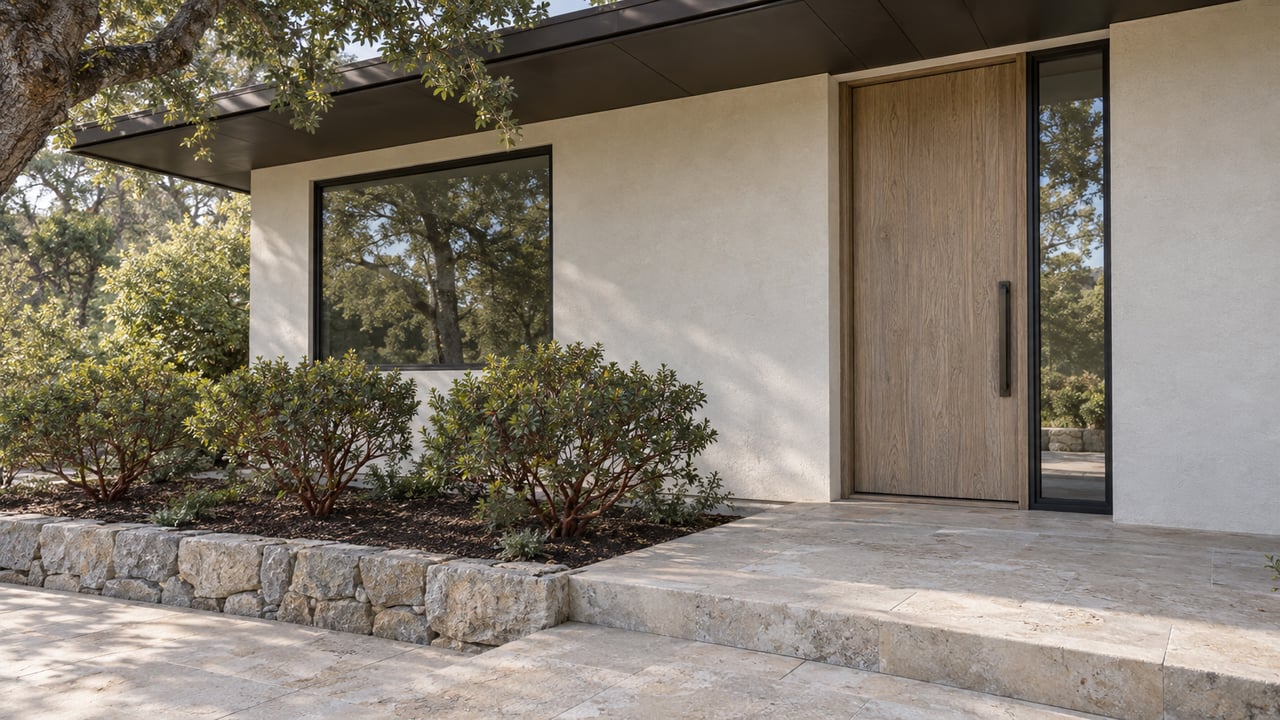
Take a close look at your driveway, stairs, walkways, handrails, lighting, and entry landscaping. If the approach feels clean, safe, and manageable, buyers are more likely to feel comfortable before they even step inside.
Check sidewalks and trip hazards
Belmont says owners fronting or adjacent to a public street must maintain the sidewalk in good repair and condition. Cracked pavement, uneven landings, or loose stair edges can create a poor first impression and may raise practical concerns.
A simple frontage inspection early in the process can help you catch issues before photos, open houses, and disclosures. This is especially important on sloped lots, where access already draws extra attention.
Treat retaining walls as visual features
Retaining walls are not just structural elements on a hillside home. In Belmont, they are often highly visible from the street, so buyers notice both their appearance and condition.
The city says retaining walls over 4 feet generally require a permit and must be designed by a licensed professional engineer or architect. If a wall is visible from the public right-of-way and taller than 3 feet, Belmont also calls for rough texture, medium to dark earth tones, and some form of visual articulation or architectural treatment.
Know when a wall needs review
If you are thinking about repairing, replacing, or improving a retaining wall, start early. Work near the street edge can also trigger right-of-way rules, and Belmont Public Works says a permanent encroachment permit may be needed for structures such as retaining walls, stairways, or fences that affect the public right-of-way.
This is one reason hillside sellers benefit from planning ahead. You do not want to discover permit needs in the final weeks before listing.
Highlight views, light, and outdoor living
Stage around the view
Many Belmont hillside homes offer what buyers want most: light, privacy, and elevated outlooks. Your job is to make those features feel intentional.
Clean windows, trim back overgrowth where appropriate, and arrange outdoor spaces so the eye naturally moves toward view corridors. Decks, terraces, and seating areas should read like real living spaces, not storage zones or deferred projects.
Refresh decks and terraces
On a hillside property, decks often function as major lifestyle spaces. Loose boards, worn finishes, peeling paint, or clutter undercut the value buyers assign to those areas.
If your deck needs attention, schedule repairs and cleanup well before listing photos. Buyers tend to see outdoor living as part of the home’s usable square footage, especially in Belmont’s hillside setting.
Address wildfire readiness before buyers ask
Belmont notes that homes near natural areas face a higher chance of wildfire, and the city has an active wildfire mitigation program. That means buyers may pay close attention to vegetation, defensible space, and general fire readiness when they tour a hillside home.
CAL FIRE recommends maintaining 100 feet of defensible space, keeping annual grass to 4 inches or less, moving combustible materials at least 30 feet from the home, and hardening the structure with measures such as Class A roof coverings, sealed vents, protected eaves, and ignition-resistant exterior materials.
Clean the first five feet
One of the most visible steps is the 0 to 5 foot ember-resistant zone around the home. CAL FIRE also advises keeping vegetation and other combustible materials away from windows.
For sellers, this can translate into practical prep items like removing leaf buildup, clearing flammable storage near the house, simplifying foundation plantings, and making the perimeter feel tidy and defensible.
Do not overlook the space under decks
CAL FIRE specifically notes that decks overhanging a slope need sufficient defensible space and that combustible items should be kept out from under the deck footprint. If that area has become a catch-all for storage, clear it out before showings.
This is a small step that can make a large difference in how manageable the property feels. It also helps outdoor areas photograph better.
Review permits and past improvements
Belmont is clear that most work requires a building permit, and the city warns that unpermitted work often causes problems and can delay a sale. On a hillside home, this matters even more because decks, retaining walls, fences, and structural or mechanical upgrades may all be permit-sensitive.
Before you list, review what has been added, repaired, or altered over the years. If there is any uncertainty, it is better to identify it early than have it surface during escrow.
Common permit-sensitive items
Belmont specifically flags several thresholds and categories that sellers should keep in mind:
- Fences over 6 feet may require permits
- Decks over 200 square feet may require permits
- Detached decks more than 30 inches above grade may require permits
- Retaining walls over 4 feet generally require permits
- Most structural or mechanical work is permit-sensitive
Even if you are not planning new work, these rules help you spot areas worth reviewing before marketing begins.
Be careful with tree work
Trees can add beauty, privacy, and hillside character, but they also come with local rules. Belmont requires permits to remove protected trees, including certain native trees and large-diameter trees.
The process may include an on-site arborist visit, a notice period before removal, and replacement-tree requirements. Belmont also says trees in the public right-of-way are the adjacent owner’s responsibility, and a fence does not establish the property line.
Prune with a plan
If trees or large shrubs block light, crowd walkways, or interfere with views, plan early. Do not assume you can remove or heavily alter them on short notice.
The best approach is usually selective cleanup and pruning that improves presentation while staying within local rules. This can preserve the hillside feel of the property while making it more open and easier to show.
Start earlier than you think
A Belmont hillside home usually benefits from a longer runway than a flat-lot property. The combination of slope, access, vegetation, permits, and outdoor maintenance means the best results often come from thoughtful sequencing.
Here is a practical timeline based on Belmont’s local guidance.
Prep timeline for Belmont sellers
6 to 18 months before listing
Start with a full property walk-through and a review of permit history. Use Belmont’s parcel, zoning, and elevation tools to better understand the lot and any obvious slope-related concerns.
If your home is in areas such as San Juan Hills or Western Hills, consult Planning early. Belmont says some parcels in those areas may face steep-slope and access constraints, Certificate of Compliance review, or roadway and access improvement requirements.
3 to 6 months before listing
This is the time to line up high-impact work. Focus on items buyers notice quickly, such as:
- Front-yard cleanup
- Pruning and tree maintenance
- Retaining wall touchups
- Drainage fixes
- Exterior paint or paint touchups
- Pressure washing
- Deck repair
- Permit-related improvements
If work touches the public right-of-way, remember that Belmont’s process may require additional approvals. Using vendors familiar with Belmont’s permit process can help reduce delays.
Final 30 to 60 days
Save this period for presentation, not major discovery. Finish staging, photography, and final cosmetic touchups only after permit-sensitive work and key repairs are settled.
For a hillside listing, your marketing should emphasize the approach, outdoor rooms, view corridors, and improvements that make the home feel both beautiful and manageable. That combination can help buyers connect emotionally while also feeling reassured.
Keep the scope strategic
It is easy to over-improve when you want top dollar. But in many cases, the best return comes from targeted work that makes the home look well maintained, not from chasing a full redesign.
For a Belmont hillside home, that often means cleaning up access points, improving exterior presentation, reviewing permits, addressing visible maintenance, and making outdoor spaces feel safe and usable. When those pieces come together, your home is better positioned to stand out.
Selling a hillside property takes a local eye, a clear plan, and careful coordination. If you want a hands-on strategy for preparing your Belmont home with less stress and better presentation, Debbie Elowson can help you map out the right steps.
FAQs
What should you fix first before selling a Belmont hillside home?
- Start with the items buyers notice fastest: access, walkways, stairs, railings, retaining walls, drainage, decks, and overgrown landscaping.
Do retaining walls matter when selling a Belmont hillside property?
- Yes. In Belmont, retaining walls can be both visual and permit-sensitive features, especially when they are visible from the public right-of-way.
Do you need to check permits before listing a Belmont home?
- Yes. Belmont says most work requires permits, and unpermitted work can create problems or delays during a sale.
How does wildfire readiness affect a Belmont hillside listing?
- Buyers may pay close attention to defensible space, vegetation management, and home-hardening features because Belmont identifies wildfire as a local hillside concern.
When should you start preparing a Belmont hillside home to sell?
- Ideally 6 to 18 months ahead, especially if the property may need permit review, tree work, drainage fixes, or other slope-related improvements.