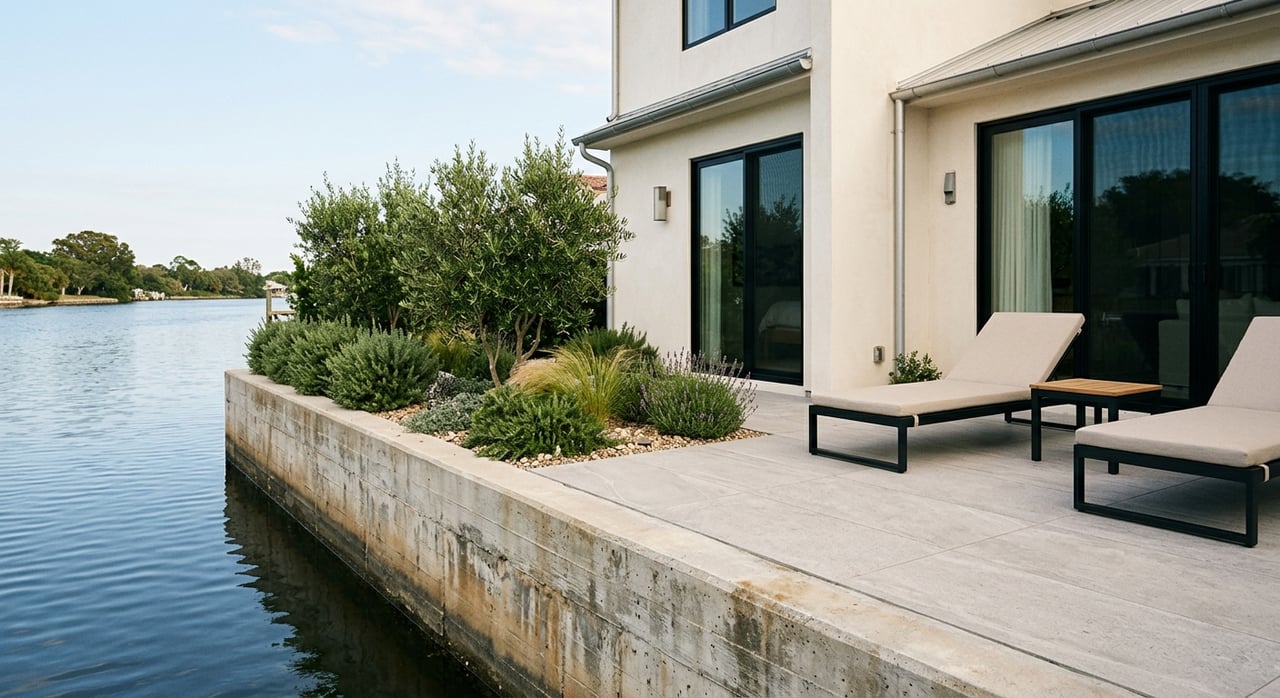
If you are drawn to Foster City, chances are the water is part of the appeal. But when you start looking at homes, one big question comes up fast: do you want the lagoon right outside your door, or would an interior street better fit your day-to-day life? The answer depends less on prestige and more on how you want to live, what level of upkeep feels comfortable, and how you view long-term resale. Let’s dive in.
What Waterfront Means in Foster City
In Foster City, “waterfront” usually means lagoon-front or lagoon-adjacent living, not oceanfront living. The city’s lagoon system is one of its defining features, covering about 212 acres and winding roughly five miles through local neighborhoods.
That matters because even many interior homes still benefit from the same broader setting. You still have access to the city’s parks, levee paths, and water-oriented environment, so the lifestyle gap is often about direct frontage rather than whether you get to enjoy the water at all.
Lagoon-Front Living in Foster City
If you want a home that feels closely tied to Foster City’s signature lifestyle, lagoon-front living is the clearest version of that experience. You can enjoy water views every day, and in some locations, the home may feel more connected to recreation and outdoor entertaining.
The city allows swimming in the lagoon, along with non-commercial fishing and boating for sail, electric-battery, and human-powered craft. Gas- and diesel-powered boating are not allowed, and lagoon use is designed around a calmer shared-water environment.
Daily Lifestyle Benefits
For many buyers, the biggest draw is simple: the water becomes part of your routine. Morning coffee, sunset views, and easy visual access to the lagoon can make the home feel more open and distinctive.
You may also value the recreation aspect. Foster City highlights the lagoon and levee system as part of an active outdoor lifestyle, with routes for walking, running, bicycling, and skating connected throughout the city.
Activity and Seasonal Tradeoffs
The same features that make waterfront homes appealing can also create a busier feel at certain times. The city notes that summer lagoon traffic can be high, with swimmers and multiple types of watercraft sharing the space.
The lagoon also changes seasonally. Water levels are higher in summer and lower in winter, so the water edge you see in July may not look exactly the same during the rainy season.
Interior Homes Offer a Different Kind of Ease
Interior homes in Foster City often appeal to buyers who want a more traditional neighborhood setting. You may still be close to the lagoon, parks, and levee trails, but without the same level of direct waterfront activity outside your home.
For some households, that translates to a quieter day-to-day experience. If you prefer a setting that feels more private or less tied to shared water traffic, an interior location may be the better fit.
Why Buyers Choose Interior Streets
Interior homes can be appealing if you want lifestyle simplicity. In many cases, the main advantage is not missing out on Foster City’s amenities, but enjoying them on your own terms rather than having them directly at your back door.
That difference can matter if you value a conventional residential feel, lower waterfront-specific maintenance, or fewer property rules tied to docks and visible shoreline areas. It is often the more practical choice for buyers who want the Foster City setting without the full waterfront footprint.
Maintenance and Rules Matter More Here
One of the most important differences between waterfront and interior homes in Foster City is not just lifestyle. It is the level of review, upkeep, and property management that can come with the home.
Foster City describes itself as a master-planned community with a strong focus on maintenance and appearance. The city also notes that many neighborhoods function as HOA micro-communities, which can add another layer of standards and approvals.
Exterior Changes Often Need Permits
In Foster City, a planning permit is required for almost all exterior changes. That includes items many homeowners might assume are straightforward, such as fences, decks, windows, doors, patio covers, gazebos, and room additions.
For waterfront homes, the review process can become even more important. The city has active policies tied to waterfront setbacks, room-addition impacts, boat docks, and HOA prototype standards, which means lagoon-front owners may face more review than owners on interior streets.
Waterfront Upkeep Can Be More Involved
If you own a lagoon-front home, ongoing maintenance responsibilities can be broader. The city says owners must maintain portions of lagoon or waterfront properties that are directly adjacent to or visible from the water or land.
The lagoon is also managed seasonally for stormwater control, recreation, and water quality. During summer, algae may be more noticeable in shallow areas, which is another practical detail buyers should understand before choosing direct water frontage.
Private Docks Are a Lifestyle Feature and a Responsibility
A private dock can be one of the most attractive features of a Foster City waterfront home. But it is not a simple amenity that comes without rules.
The city’s boat-dock policy requires Architectural Review and includes standards for size, materials, anchoring, and use. The policy also prohibits overnight docking, live-aboards, and storage of non-nautical items.
What Dock Buyers Should Keep in Mind
If a dock is important to you, it is worth looking beyond the headline feature. You will want to understand whether the property has an approved dock, what type of access it offers, and what level of maintenance and compliance it requires.
From a lifestyle standpoint, a dock can add real enjoyment and convenience. At the same time, it also creates a more active ownership experience than an interior property without waterfront-specific structures.
Resale Value Depends on Specific Features
It is natural to assume that waterfront always commands a clear premium. In Foster City, the reality is more nuanced.
As of May 2026, the citywide market was somewhat competitive, with a median sale price of about $1.554 million, roughly three offers per home on average, and about 14 days on market. That gives helpful market context, but it does not break out lagoon-front versus interior sales.
No Single Waterfront Premium
There is no public source establishing one standard lagoon-front premium across Foster City. A safer takeaway is that value tends to be highly property-specific.
In practice, pricing differences are likely shaped by things like view quality, dock rights, condition, and how much permit or HOA friction a property carries. Two waterfront homes can deliver very different ownership experiences, and buyers often price that in.
Why Usability Matters
Broader waterfront research suggests that not all water adjacency is valued equally. Features like functional views and dock usability tend to matter more than the label alone.
That is especially relevant in Foster City, where waterfront living is tied to a managed lagoon system, local rules, and property-specific details. A well-positioned lagoon-front home with strong usability may appeal very differently than one with more limitations.
Flood and Insurance Questions Are Part of the Conversation
Any time you look at waterfront-adjacent property, flood risk usually comes up. In Foster City, that conversation should include the city’s levee system, not just whether a home sits on the lagoon.
The city says FEMA has certified the levee for protection from the 1-percent annual chance flood. City limits remain in Zone X, where mandatory flood insurance is not required, and levee improvements were completed in February 2024 to support storm and tide protection as well as future sea-level-rise resilience through 2100 projections.
What This Means for Buyers
This does not mean risk disappears. It does mean that the discussion is shaped by citywide infrastructure rather than by a simple waterfront versus interior label.
If you are comparing home types, it helps to think about the levee and flood-control system as part of the broader ownership picture. That gives you a more complete view of both lifestyle and long-term planning.
Which Foster City Home Style Fits You Best?
If you picture yourself using the water regularly, enjoying direct views, and embracing a more distinctive outdoor setting, a lagoon-front home may be the right match. It can be especially compelling if entertaining, boating access, or a strong visual connection to the water are high on your list.
If you would rather have a quieter street feel, simpler upkeep, and fewer waterfront-specific approvals, an interior home may serve you better. You can still enjoy much of what makes Foster City special while keeping ownership a bit more straightforward.
In the end, this choice is less about which option is “better” and more about which one matches your habits, tolerance for upkeep, and long-term goals. If you want help weighing the tradeoffs in specific Foster City neighborhoods and properties, Debbie Elowson can help you evaluate the details with clarity and confidence.
FAQs
What does waterfront mean for homes in Foster City?
- In Foster City, waterfront usually means lagoon-front or lagoon-adjacent living along the city’s 212-acre lagoon system rather than oceanfront property.
Are interior homes in Foster City still close to water amenities?
- Yes. Interior homes can still benefit from Foster City’s lagoon environment, parks, and levee paths, so the main difference is often direct frontage rather than general access to water-oriented amenities.
What are the lifestyle benefits of lagoon-front homes in Foster City?
- Lagoon-front homes offer daily water views and closer connection to activities the city allows on the lagoon, including swimming, non-commercial fishing, and boating with sail, electric-battery, or human-powered craft.
What are the tradeoffs of waterfront homes in Foster City?
- Waterfront homes can come with busier summer lagoon activity, more visible seasonal water-level changes, added maintenance responsibilities, and more review for exterior changes or dock-related features.
Do Foster City homeowners need permits for exterior home changes?
- Yes. The city requires planning permits for almost all exterior changes, including fences, decks, windows, doors, patio covers, gazebos, and room additions.
Are private docks easy to add or use at Foster City waterfront homes?
- No. Private docks require Architectural Review and must follow city rules related to size, materials, anchoring, and use, with restrictions that include no overnight docking or live-aboards.
Is there a set price premium for waterfront homes in Foster City?
- No public source establishes a single standard lagoon-front premium in Foster City, so value is generally more dependent on the specific property’s views, dock rights, condition, and regulatory factors.
Are Foster City waterfront homes required to carry flood insurance?
- Foster City says its levee is FEMA-certified and that city limits remain in Zone X, where mandatory flood insurance is not required.