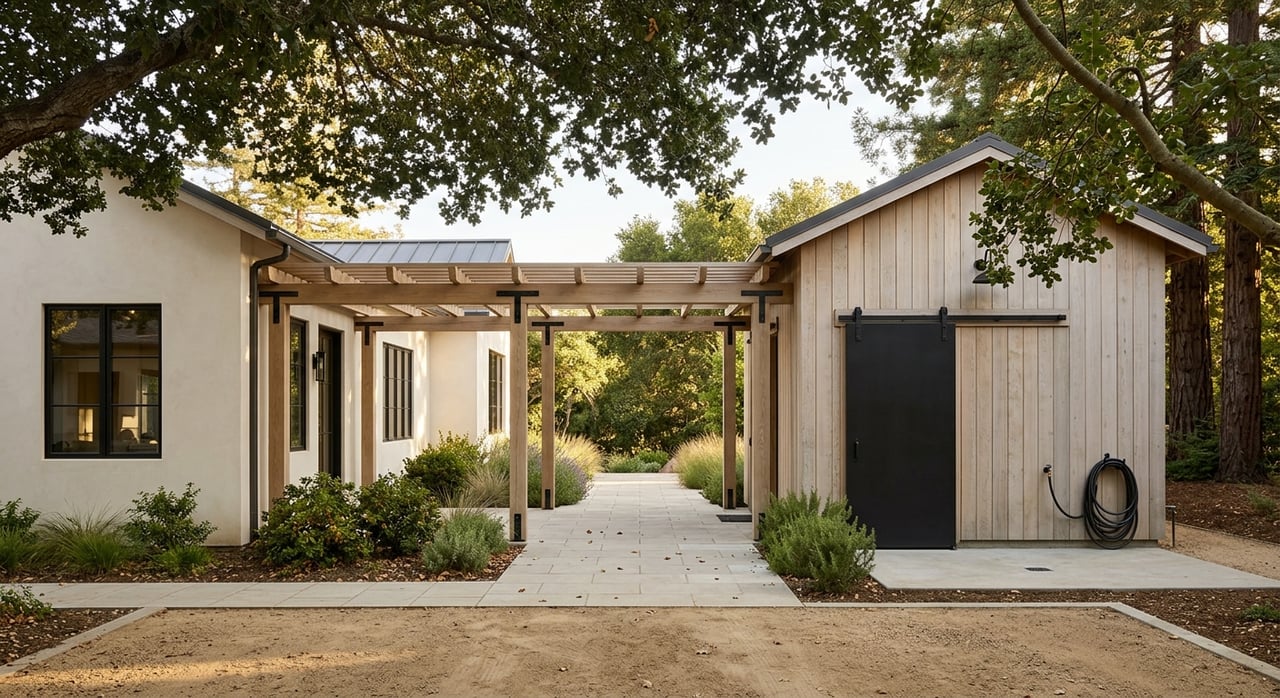
If you are looking at horse property in Woodside, it helps to know that the lifestyle is not just about a barn and a few acres. In this market, everyday living with horses involves permits, turnout space, trail access, drainage, storage, and a property setup that works in every season. When you understand those basics, you can make a smarter decision whether you are buying, selling, or simply evaluating what makes a Woodside horse property truly usable. Let’s dive in.
Why horse property works in Woodside
Woodside treats horse keeping as a normal part of residential life, not as an unusual exception. Town policy supports equestrian trails, private and commercial barns, and local equestrian events and organizations. For you as a buyer or seller, that means horse features are part of the community fabric and local planning.
That local support matters because it shapes how properties are used and valued. A horse property here is often defined as much by its land, access, and permit history as by the home itself. In a high-price market like Woodside, those details can make a big difference in how practical a property feels day to day.
Stable permits come first
Before anything else, you need to understand Woodside’s stable permit rules. The town requires a Stable Permit for private and commercial horse keeping, and no horse may be kept for more than 30 consecutive days without one. Private stable applicants must show at least one acre, with a maximum of two horses per acre.
Stable permits are issued annually and do not transfer automatically to a new owner. If you buy a horse property, you need to confirm the permit file and complete the change-of-property-owner application. If the number of horses will change, the permit may need additional review.
The current fee schedule is also part of everyday planning. Woodside lists a $7 annual private stable fee plus a $50 annual trail maintenance fee per horse, capped at $1,250 per stable. These costs are modest compared with overall Woodside ownership, but they are still part of the operating picture.
Land usability matters more than raw acreage
A large parcel does not always mean easy horse keeping. Woodside’s guidance notes that local terrain is often sloped and can be hard, dry, dusty, or muddy depending on the season. The private stable application includes a less-than-20-percent slope standard for equestrian areas, which gives you a practical benchmark when evaluating land.
That is why flat, usable space often carries more weight than acreage alone. You want room for turnouts, paddocks, corrals, or an arena that functions safely throughout the year. On paper, two properties may look similar, but in daily use they can feel completely different.
Daily horse living starts with setup
The house may attract your attention first, but the horse setup drives the routine. Woodside’s horse-keeping guide recommends features such as turnouts, paddocks, round pens, arenas, extended stalls, and corrals. Those are not luxury extras for many owners. They are part of making the property functional.
A practical setup supports movement, turnout, feeding, grooming, and basic handling without creating constant workarounds. If you are buying, think about whether the existing layout fits your actual routine. If you are selling, clear organization and usable horse spaces can help buyers understand the property’s strengths quickly.
Feed, storage, and waste never stop
Horse property upkeep is built around recurring chores. Woodside recommends cool, dry storage for hay and feed, along with thoughtful planning for manure composting or off-site removal. These are not one-time setup items. They affect daily operations, cleanliness, and seasonal maintenance.
Runoff is another important issue. The town guide calls for attention to runoff from manure, wash racks, and turnouts, and stable applications may require waste-, insect-, and dust-control plans. In practical terms, that means drainage and site design are not background details. They are central to how comfortably you can live with horses on the property.
Access and safety shape everyday ease
Horse properties need to work for more than just riding. Woodside guidance says fencing should be safe, visually compatible, and wildlife-friendly. Permit materials also require adequate turnouts, a 3/4-inch hose, extinguishers, and access for trailers and responders.
For you, that translates into a simple question: can this property handle real daily use? Good gates, trailer turnarounds, drainage, and enough hard surface for service vehicles can save time and stress. These details may seem minor during a showing, but they become very important once you live there.
Weather planning is part of ownership
Woodside’s climate adds another layer to horse-property living. The town notes that some barns can become hotter than the outdoor temperature and recommends insulation, ventilation, fans, and other cooling strategies. If a property looks charming but lacks airflow and heat management, you may be signing up for more upgrades than expected.
Emergency planning also matters. Woodside asks horse owners to keep 4 to 7 days of hay, 2 gallons of water per horse, and trailer-ready supplies on hand. That guidance reflects the reality that horse ownership here includes preparation, not just routine care.
Wildlife belongs in the planning conversation too. The town reminds residents that mountain lions are part of living in Woodside. For many owners, that makes secure fencing, good lighting, and overall barn layout even more important.
Trail access defines the lifestyle
One of the biggest draws of Woodside horse property is the riding lifestyle itself. The town says the Woodside Trail System connects riders to Huddart Park, Wunderlich Park, Edgewood Park, multiple Midpen preserves, the Bay Area Ridge Trail, and the San Francisco Watershed. That kind of network helps explain why Woodside remains so appealing to equestrian buyers.
Nearby equestrian access also adds variety. Town materials note that all trails at Thornewood and Teague Hill are open to equestrians, while Purisima Creek Redwoods allows equestrian use on designated trails, with some wet-weather closures possible. For many buyers, this proximity to riding options is part of the value of living here.
Still, trail life is shared-use life. Woodside’s guide says riders share roads and trails with hikers and cyclists and should watch for slippery asphalt, muddy terrain, busy intersections, and dogs near fences. If you are new to the local system, riding with experienced riders can help you learn the routes and rhythm more confidently.
Community support is part of the appeal
Woodside’s equestrian culture includes more than private property. Town materials point residents toward WHOA!, the Woodside Trails Club, Horse Park at Woodside, and the San Mateo County Large Animal Evacuation Group. The town’s circulation policy also supports equestrian events such as Day of the Horse.
That support helps make horse ownership feel more connected and sustainable over time. When you buy in Woodside, you are not just buying land with horse facilities. You are stepping into a place where equestrian use is visible, planned for, and actively supported.
Buying horse property requires sharper due diligence
Woodside is an expensive market, with Redfin reporting a median sale price of $5.16 million over the three months ending May 2026 and homes selling in about 14 days on average. In that kind of market, true horse-property comparables can be limited. Buyers and sellers often need to look beyond the home and focus closely on acreage, improvements, access, and permit history.
This is where careful due diligence matters. You should confirm stable permits, horse count limits, land usability, drainage, and trailer access before you get too far into a transaction. A beautiful home with weak horse functionality may not serve your needs the way you expect.
Horse amenities help marketability, but not always value
It is natural to assume that every barn, corral, or fence adds direct resale value. California appraisal guidance suggests a more nuanced view. Barns provide storage and shelter, but their value depends on how they are used, and corrals and fences may add limited value unless they are part of a larger horse operation.
In real-world terms, horse amenities often improve marketability more than they add dollar-for-dollar value. The strongest resale features are usually usable flat land, sound drainage, safe fencing, legal permit history, and easy trailer access. Those are the features that tend to matter most to the right buyer.
Trail access can also influence appeal. Research on equestrian trail users found that trail length, scenic views, distance from home, and horse-only access all have economic significance. In Woodside, that makes location and riding convenience part of the property story, even if they do not show up the same way as a kitchen remodel.
What buyers and sellers should focus on
If you are buying a Woodside horse property, keep your attention on how the property works every day, not just how it photographs. Ask practical questions about permits, slope, turnout space, drainage, storage, fencing, and trailer movement. A well-located property with a smart setup can be far more useful than a larger parcel with awkward terrain.
If you are selling, presentation still matters, but functionality matters too. Buyers in this niche often respond best when they can quickly see legal permit history, safe access, organized horse areas, and a property that feels manageable. Clear positioning can help the right buyer understand why your property stands out.
When you want help evaluating how a Woodside horse property will live, market, or compete, working with a local advisor can make the process much easier. Debbie Elowson brings Mid-Peninsula market knowledge, thoughtful guidance, and a hands-on approach to helping you move with confidence.
FAQs
What permit do you need to keep horses in Woodside?
- Woodside requires a Stable Permit for private or commercial horse keeping, and no horse may be kept for more than 30 consecutive days without one.
How many horses can a private property have in Woodside?
- For a private stable, Woodside requires at least one acre and allows a maximum of two horses per acre.
Do stable permits transfer when you buy a Woodside horse property?
- No. Stable permits are issued annually and do not transfer automatically, so a new owner must complete a change-of-property-owner application.
What features matter most on a Woodside horse property?
- Usable flat land, safe fencing, good drainage, turnout space, dry feed storage, legal permit history, and easy trailer access are some of the most important practical features.
Does trail access matter when buying horse property in Woodside?
- Yes. Woodside has a connected equestrian trail system and access to nearby riding areas, so trail convenience can be a meaningful part of everyday lifestyle and buyer appeal.