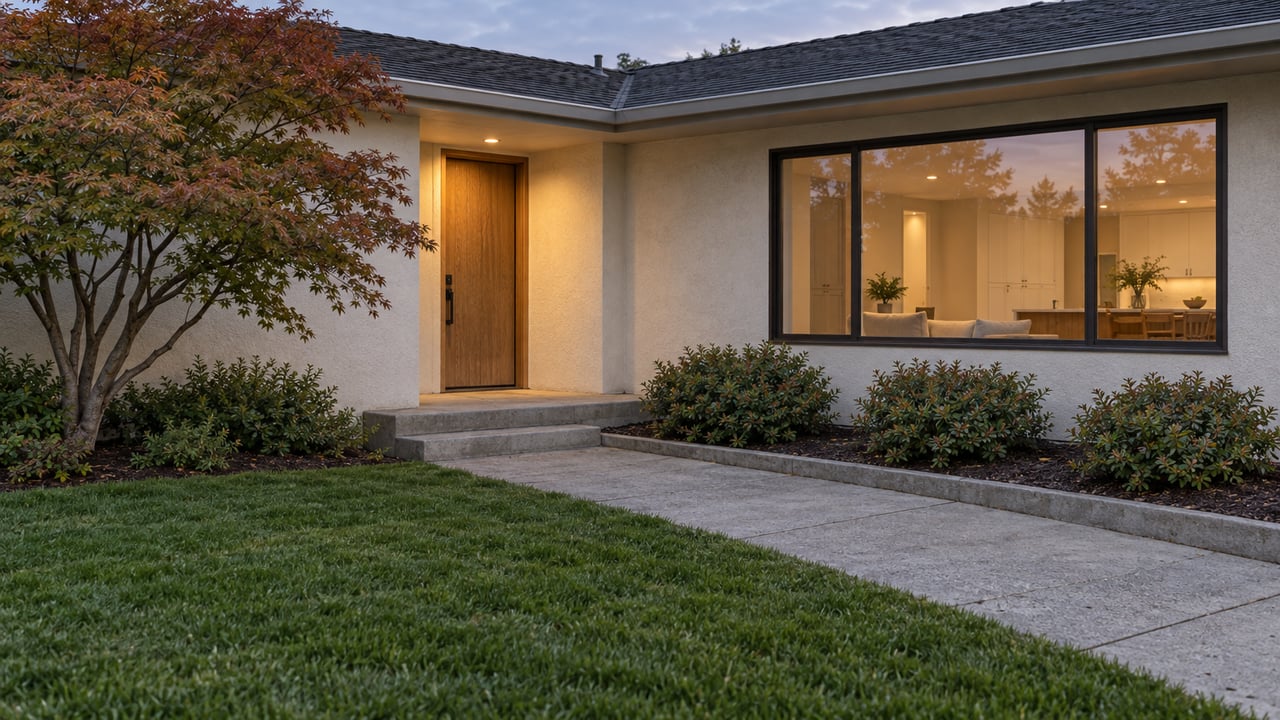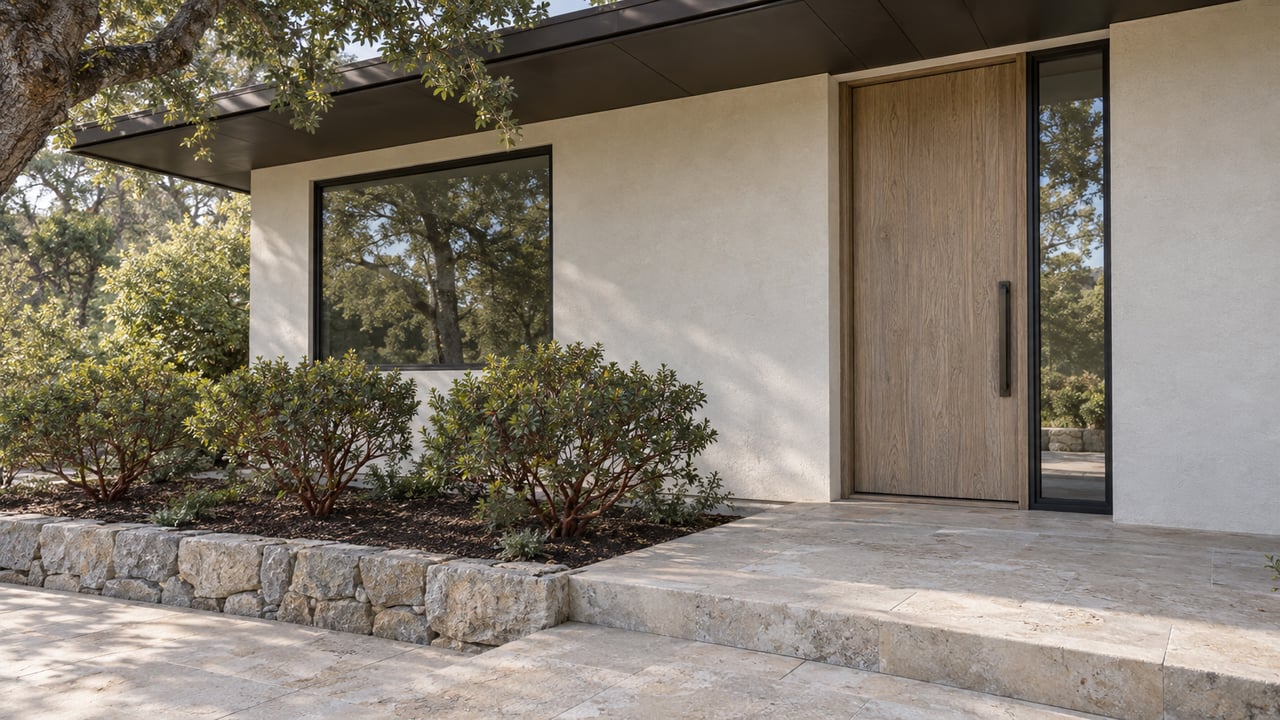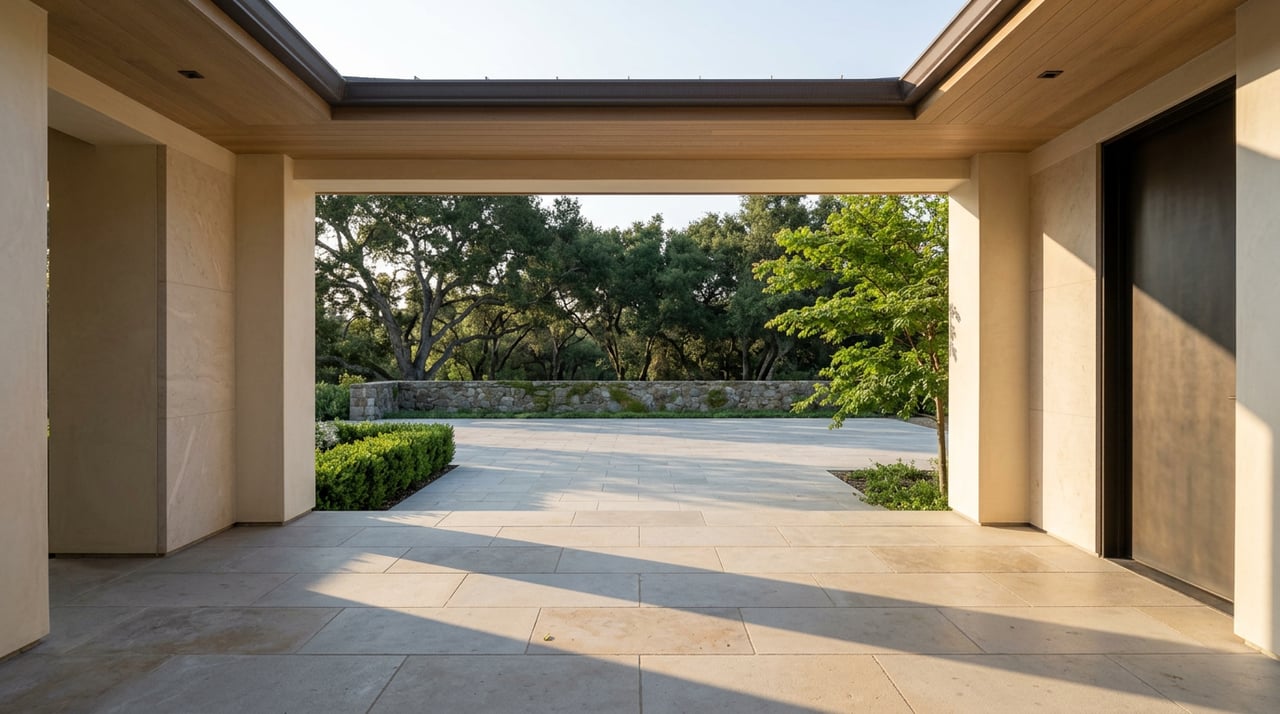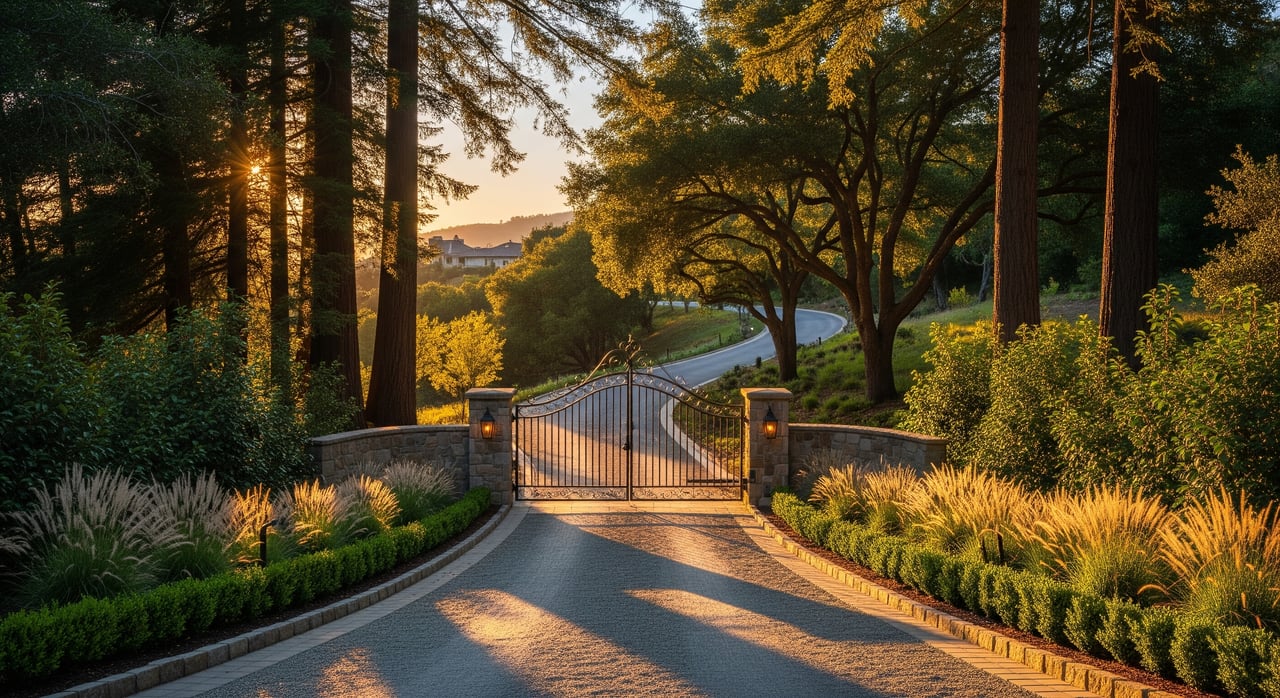
That long, tree-lined driveway can be a dream, until the first bill for repaving or a call from the fire marshal lands in your inbox. If you are buying or selling in Woodside, knowing who owns a private road, who pays to maintain it, and what rules apply can protect your time and budget. This guide breaks down the essentials in clear terms, with a simple checklist you can use before you go into contract. Let’s dive in.
What counts as private access in Woodside
Woodside has many private lanes, shared driveways, and long entries serving only a few homes. A private road means the road and land under it are owned by private parties, sometimes jointly or by a road association. Access often relies on recorded easements that allow neighbors to cross each other’s land.
You will also see shared driveways that function like small private roads. In Woodside, owners are commonly responsible for culverts, driveway inlets, and drainage on their property. The Town notes these homeowner responsibilities in its winter storm guidance, including private driveway culverts and drainage features you may need to maintain. Learn more from the Town’s guidance on homeowner drainage responsibilities at Woodside’s storm and watercourse page.
Ownership and who pays
The first place to look is the recorded documents. Easements, road maintenance agreements, CC&Rs, and subdivision documents usually spell out who pays for routine work, resurfacing, and major repairs, and how costs are shared.
If documents are silent, California law steps in. Civil Code section 845 assigns the duty to maintain a private right of way to the owners who benefit from it, and courts can apportion costs among them. Sellers must also disclose known easements, access issues, and special assessments on the Transfer Disclosure Statement, so review the seller’s disclosures closely. See a helpful overview of the Transfer Disclosure Statement requirements.
Bottom line: recorded agreements control first. If there is no agreement, state law requires shared contribution to maintain the road.
Fire access and safety standards
Private roads and long driveways must allow emergency vehicles to reach your home in all weather. California fire standards set minimums for width, vertical clearance, surfacing that supports fire apparatus, and turnarounds for dead ends. Local fire officials can require more where needed. See the State Fire Marshal regulations that inform local standards in Title 19.
In Woodside, the Woodside Fire Protection District (WFPD) enforces access rules and may require specific widths, turnouts, and surfacing for long or steep driveways. If you have a gate, WFPD uses the Knox rapid entry system so firefighters can get in quickly. Learn about WFPD’s services at the Woodside Fire Protection District and see gate requirements on the Knox entry system page.
Permits and approvals
Work at the connection to a public roadway often needs permits. San Mateo County Public Works provides standards for private roads in minor land divisions and handles encroachment permits where a private road meets a county roadway. Review the County’s standard drawing and permitting context for private roads at San Mateo County Public Works.
Inside the Town of Woodside, building and engineering staff oversee permits for grading, paving, drainage structures, widening, and gate installations. Always confirm whether past road work was permitted and inspected. Start with Town of Woodside Building & Development Services.
Buyer and seller checklist
Use this quick list to prevent surprises later.
Title and recorded documents
- Request the preliminary title report and recorded exceptions. Look for access easements, road maintenance agreements, CC&Rs, and any recorded notices or liens tied to the road.
- Why it matters: recorded terms bind future owners and control cost sharing.
Seller disclosures and history
- Review the Transfer Disclosure Statement for shared driveway notes, known defects, recent repairs, and any assessments. Ask for invoices and contractor records for recent work.
- Why it matters: you want a clear picture of condition and obligations.
Association or road group documents
- Ask for the maintenance agreement, financials, reserve balances, recent assessments, and meeting notes, plus any plans for resurfacing.
- Why it matters: reserves and policies forecast your future costs.
Physical and safety checks
- Measure practical width and vertical clearance, confirm turnouts or turnarounds where the drive is long, and check gate function. Ask WFPD about any required upgrades and whether a Knox device is needed.
- Inspect drainage, culverts, shoulder conditions, and vegetation encroachment. Confirm routine maintenance is being done.
Permits and approvals
- Verify permits for paving, widening, drainage work, gates, or major grading with the Town or County, depending on location.
- Why it matters: unpermitted work can trigger compliance or insurance issues.
Insurance and liability planning
- Ask your title company about coverage and recorded access. Check your homeowners policy and any association policy for liability related to the road. Consider whether additional coverage is advisable.
Costs and reserves
Road costs vary by length, slope, base condition, and surfacing. Routine items include grading, pothole patching, shoulder and vegetation work, and drainage clearing. Large-ticket items include resurfacing or rebuilding the base where water has undermined the structure.
For ballpark planning, installed asphalt often ranges around the low to mid dollars per square foot nationally, with wide swings for site prep and thickness. See broad cost context at asphalt price ranges. In practice, you should get local bids for your specific road and set aside reserves for a periodic resurfacing event.
Common Woodside scenarios
Shared driveway for two to four homes
- Expect a recorded easement and a private road maintenance agreement that splits routine costs and sets voting rules for major work. If no agreement exists, budget time to negotiate one with neighbors before closing.
Private lane managed by a road association
- You may pay quarterly or annual dues and occasional special assessments. Review financials and reserve studies to see whether a repave is looming.
Gated private road
- Confirm WFPD-approved rapid entry equipment is installed and maintained, and clarify who pays for gate repairs and power. Ask utility, trash, and delivery services how they access the road.
Need a local partner
Private access can be simple when the paperwork is clear and the road is well maintained. It can also delay a sale when documents are missing or safety upgrades are required. If you want a smooth process and clear answers, work with a local advisor who knows the documents to request and the officials to call.
If you are weighing a Woodside purchase or preparing to list, connect with Debbie Elowson to review your access, disclosures, and next steps. Debbie can coordinate the right inspections, permits, and contractor bids so you move forward with confidence.
FAQs
Who pays to fix a shared private road in California?
- Costs are usually set by recorded maintenance agreements; if none exist, California Civil Code section 845 requires the benefiting owners to maintain the road and allows courts to apportion costs.
Will a shared driveway affect my mortgage approval?
- Lenders often want proof of legal access and clarity on who maintains the road; expect requests for easement documents and any maintenance agreement during underwriting.
Can Woodside or San Mateo County take over my private road?
- Public adoption is not automatic; agencies typically accept roads only through a formal process and when the road meets public standards, which can require improvements and fees.
Do I need a permit to widen my driveway in Woodside?
- Most paving, widening, drainage, or gate work requires permits from the Town and possibly County encroachment permits where the road meets a public right of way; always check before you start.
Are gate codes or boxes required for emergency access?
- In Woodside, gates that could delay response generally need an approved rapid entry device; WFPD uses the Knox system and can advise on exact requirements.