Torn between Burlingame and its neighbors for your next family home? You are not alone. When you are balancing schools, commute, walkability, and budget, the tradeoffs can feel tricky. In this guide, you will see how Burlingame compares with San Mateo and Millbrae on the factors families care about most, plus a simple way to match each city to your priorities. Let’s dive in.
Quick snapshot: price, schools, lifestyle
- Price: Citywide typical values run highest in Burlingame, then Millbrae, then San Mateo. Recent Zillow Home Value Index estimates place Burlingame around $2.57M, Millbrae around $1.94M, and San Mateo around $1.60M. These are broad city indices, not neighborhood-specific medians. See Burlingame’s ZHVI, Millbrae’s ZHVI, and San Mateo’s ZHVI.
- Schools: All three feed into San Mateo Union High School District. Burlingame K–8, Millbrae K–8, and San Mateo–Foster City schools show above-average performance on state indicators. Always confirm assignment by address using the California Department of Education’s district and school profiles. Start with CDE’s profiles.
- Walkability: Downtown Burlingame and San Mateo are highly walkable, with core blocks scoring in the high 90s on Walk Score. Millbrae’s downtown and station area are very walkable too. Check Walk Score for Burlingame.
- Transit and SFO: Millbrae’s BART + Caltrain hub gives the strongest transit flexibility and direct BART access. Burlingame and San Mateo both have frequent Caltrain service and easy SFO access by car or bus.
Home prices and value
Burlingame typically commands a premium because of its tree-lined neighborhoods, compact and lively downtown, and well-regarded K–8 schools. The current Zillow Home Value Index places typical values around $2.57M in Burlingame. See the Burlingame index.
Millbrae often sits in the middle, with typical values around $1.94M on the same index. For families who want single-seat BART access, Millbrae can be a strong value relative to Burlingame. View Millbrae’s index.
San Mateo spans the widest range of neighborhoods and housing types at the lowest overall citywide typical value, roughly $1.60M. You will find everything from classic single-family streets to condo and townhome options near Hillsdale and downtown. Explore San Mateo’s index.
Two tips as you compare:
- Use the same metric across cities. Citywide indices like ZHVI are helpful for broad comparisons, but they differ from short-term median sales. Always look at both the index and recent sales comps for your target neighborhood.
- Focus on micro-markets. Within each city, some enclaves trade at levels similar to the next city over. A block-by-block look will keep you from overgeneralizing.
Schools and programs
All three cities connect to San Mateo Union High School District for high school. Burlingame’s elementary and middle schools are part of the Burlingame Elementary School District. Millbrae has its own K–8 district. San Mateo belongs to the San Mateo–Foster City School District, which offers a variety of programs, including magnet and immersion options.
Performance indicators from the California School Dashboard show strong outcomes across key high schools in the area. For parent-facing snapshots of school climate and college readiness, you can also review profiles like Burlingame High on GreatSchools. Keep in mind that third-party ratings use different methods and may update on different cycles.
What matters most in practice is address-level assignment. Use the California Department of Education’s district and school pages to confirm boundaries and explore enrollment, language, and program details. Start with CDE’s profiles and then verify with the district’s boundary tools for the property you are considering.
Neighborhoods and housing types
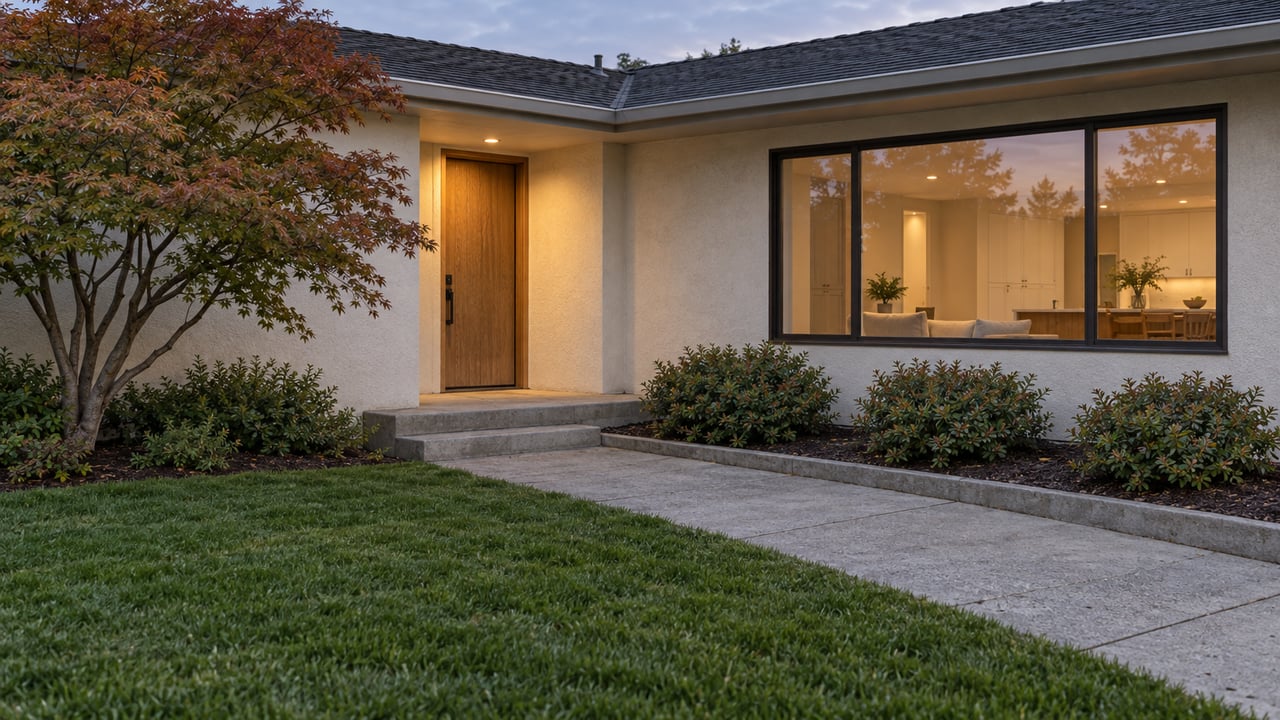
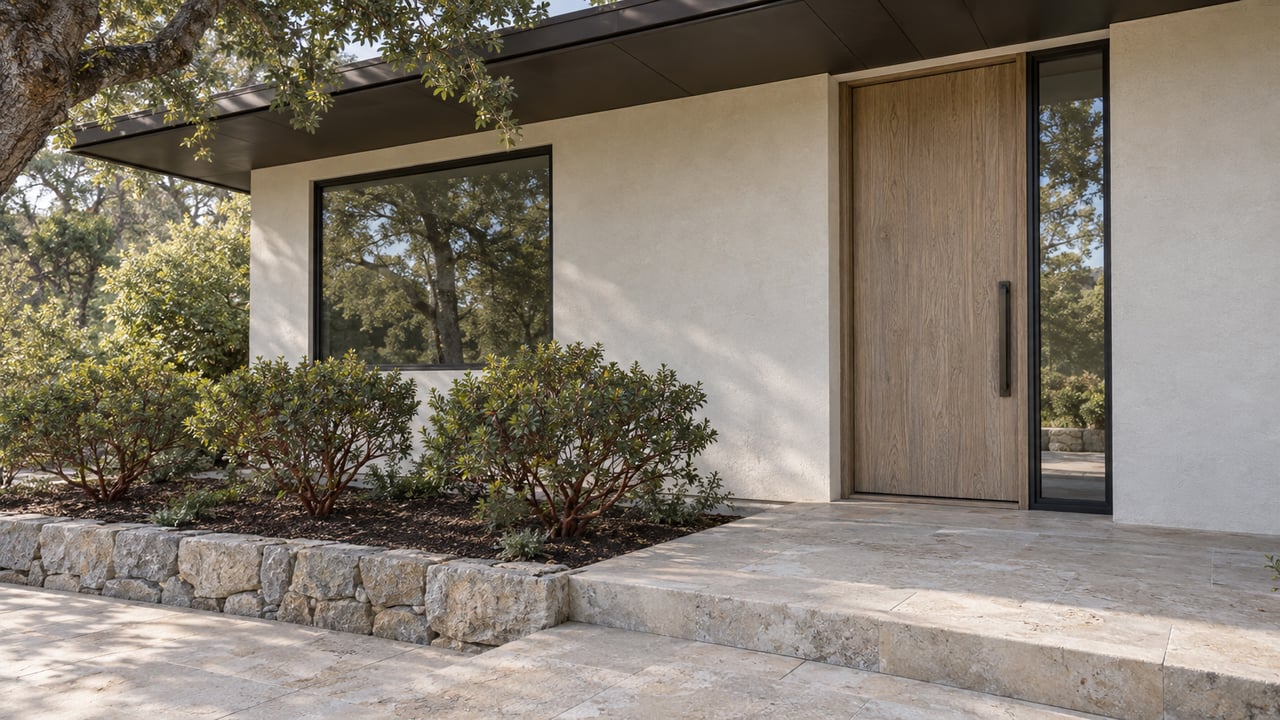
Burlingame reads as a collection of leafy, single-family neighborhoods with a true small-town core. You will find larger lots in places like the hills and near San Mateo Park, plus charming streets near downtown and Broadway. The housing stock skews single-family, with a premium on renovated homes close to the action.
San Mateo, a larger city, offers more internal variety. You can explore traditional single-family neighborhoods, mid-century streets, and several higher-density zones near downtown and Hillsdale. If you prefer a townhome or condo with modern amenities or want more price points to consider, San Mateo often widens the menu.
Millbrae is compact and convenient, with a mix of single-family homes on the hills and walkable options close to El Camino Real and the transit center. You will see an appealing blend of lot sizes, commute access, and value for families who want an easy link to BART and Caltrain.
Walkability, parks, and daily life
Downtown Burlingame and downtown San Mateo are among the most walkable hubs on the Peninsula. Core blocks score in the high 90s on Walk Score, which often translates into quick access to cafes, groceries, library branches, and playgrounds. See Walk Score for Burlingame as a starting point.
Burlingame emphasizes neighborhood parks and a welcoming downtown. Washington Park, the community center upgrade, and local playgrounds make quick weekend outings easy. San Mateo brings Central Park and a larger system of recreation facilities suited to different ages and interests. Millbrae offers smaller parks and convenient access to regional paths and trails.
If daily errands by foot matter to you, shortlist homes within a half mile of downtown Burlingame or downtown San Mateo. If you want a quieter residential feel that still puts you close to transit, Millbrae’s station-area neighborhoods can be a smart fit.
Commute, transit, and SFO access
For pure transit flexibility, Millbrae leads the pack. The Millbrae Transit Center connects BART, Caltrain, and SamTrans in one place, so you get single-seat BART rides to San Francisco and the East Bay plus quick rail access to SFO. Review the hub layout and connections at the Millbrae Transit Center.
Burlingame and San Mateo are both strong for Caltrain riders. Caltrain is often the fastest option into downtown San Francisco during commute hours, with frequent service during peak times. Check station details, stopping patterns, and timing for your target trains on Caltrain’s San Mateo destinations page.
All three cities are near SFO. Millbrae has the most direct multi-modal access through BART and a short ground transfer. Burlingame is a short drive to the terminals and has SamTrans routes, such as Route 292, that serve the airport. For seasonal service details and routing reminders, start with SamTrans travel guidance.
Pro tip: Model door-to-door time for your exact commute windows, including transfers and return trips. Evening and weekend schedules can differ from peak weekday service.
Safety, demographics, and community context
These Peninsula cities rank as high-income communities relative to state medians and have active civic and school communities. For a purchase decision, review the most recent police department updates, school safety resources, and city dashboards. Neighborhood-level conditions can vary, so pair online research with on-the-ground visits at different times of day.
When comparing school cohorts or planning for enrichment programs, use official district and school profiles to check enrollment, program offerings, and language support levels. That way you can align your home search with your child’s needs and your daily routine.
Which city fits your priorities?
- Choose Burlingame if you want a leafy, walkable downtown, short drives to SFO, and highly regarded neighborhood K–8 schools. You will likely pay a premium for that blend.
- Choose San Mateo if you want the widest range of housing types and price points, plus a mix of school programs that may include magnet or immersion options.
- Choose Millbrae if single-seat BART access and a compact, transit-friendly lifestyle sit at the top of your list, and you want strong local K–12 outcomes at values that can be lower than Burlingame.
How to compare like a pro
Use this quick process to make an apples-to-apples choice:
Confirm schools by address. Use the California Department of Education profiles, then the relevant district boundary lookup to be sure your target home maps to the programs you want. Start with CDE’s profiles.
Check two price metrics. Compare the Zillow Home Value Index for a city-level baseline, then pull recent neighborhood sales to understand current on-the-ground pricing. Start with Burlingame’s ZHVI, San Mateo’s ZHVI, and Millbrae’s ZHVI.
Time your commute. Map your doorstep to your office using real timetables. Check Caltrain’s San Mateo page, the Millbrae Transit Center, and SamTrans travel guidance for airport and bus routes.
Walk the block. Visit at school drop-off and weekend hours to see traffic, parking, and street energy. Use Walk Score as screening, then decide with your own eyes. Start with Burlingame.
Weigh the premium vs private school. If a top-priority program drives your search, compare the annualized price premium for a feeder zone to the cost of private options and transportation.
Ready to compare specific homes with local insight and a clear plan? Reach out for a tailored shortlist, school-boundary confirmation, and a side-by-side commute model. Work with Debbie Elowson to move from research to results with an efficient, concierge process.
FAQs
Is Burlingame worth the premium for family buyers?
- If you value a walkable downtown, short SFO access, and well-regarded neighborhood K–8 schools, Burlingame often justifies higher list prices compared with nearby cities.
How do school assignments work across these cities?
- Each home maps to specific K–8 and high school zones; verify any address using the California Department of Education profiles and the district’s boundary lookup to avoid surprises.
Which areas are most walkable for daily errands?
- Downtown Burlingame and downtown San Mateo have core blocks with very high Walk Scores, while Millbrae’s downtown and station area are also convenient for shops and dining.
What is the easiest way to reach SFO without a car?
- From Millbrae, BART provides fast access; from Burlingame and San Mateo, combine Caltrain or SamTrans with a short transfer, or use a quick rideshare for early flights.
How should I compare home prices across cities?
- Use the same metrics side by side, such as Zillow’s city-level index plus recent neighborhood comps, and remember that short-month medians can swing with small sample sizes.